

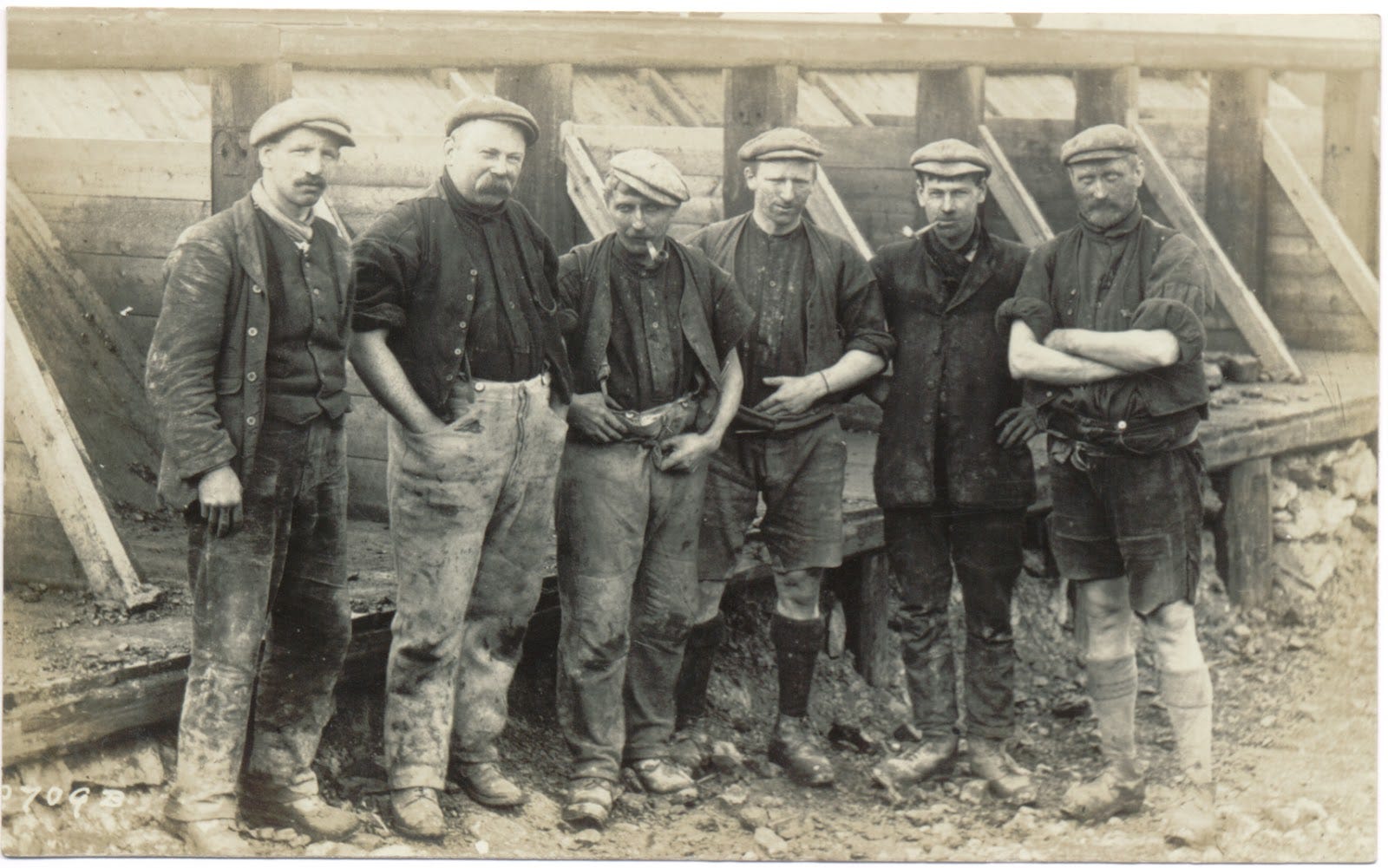
Before oil, Europe depended on imported British coal. It fueled agriculture, cities, transportation, and the industries that drove economic growth.
If you’re following me but don’t yet receive these essays by email, you’re missing most of them. Substack doesn’t email articles to followers, only to subscribers. You can get every new essay free in your inbox by subscribing 👉:
When people think about the Industrial Revolution, they usually think about new inventions, factories, railroads, and steam engines. Yet none of these could operate without a reliable source of energy. During the nineteenth century, that energy increasingly came from coal.
For much of 19th-Century Europe, energy came from British coal.
In the previous article in this series, I explained how Britain became the world’s largest coal exporter between the 1820s and the outbreak of the First World War. By 1913, Britain exported nearly 100 million tons of coal each year, making it the dominant supplier of internationally traded industrial energy.

But Britain exporting coal was only half the story. The more important question is what happened after that coal reached the European continent.
Not every European nation depended on British coal. Germany, Belgium, and a handful of other countries possessed large domestic coalfields that supplied most of their energy needs. Most of Europe, however, did not enjoy this advantage. As railroads, factories, steamships, and cities spread across the continent, many countries found themselves facing a common problem: they needed far more energy than their domestic resources could provide.
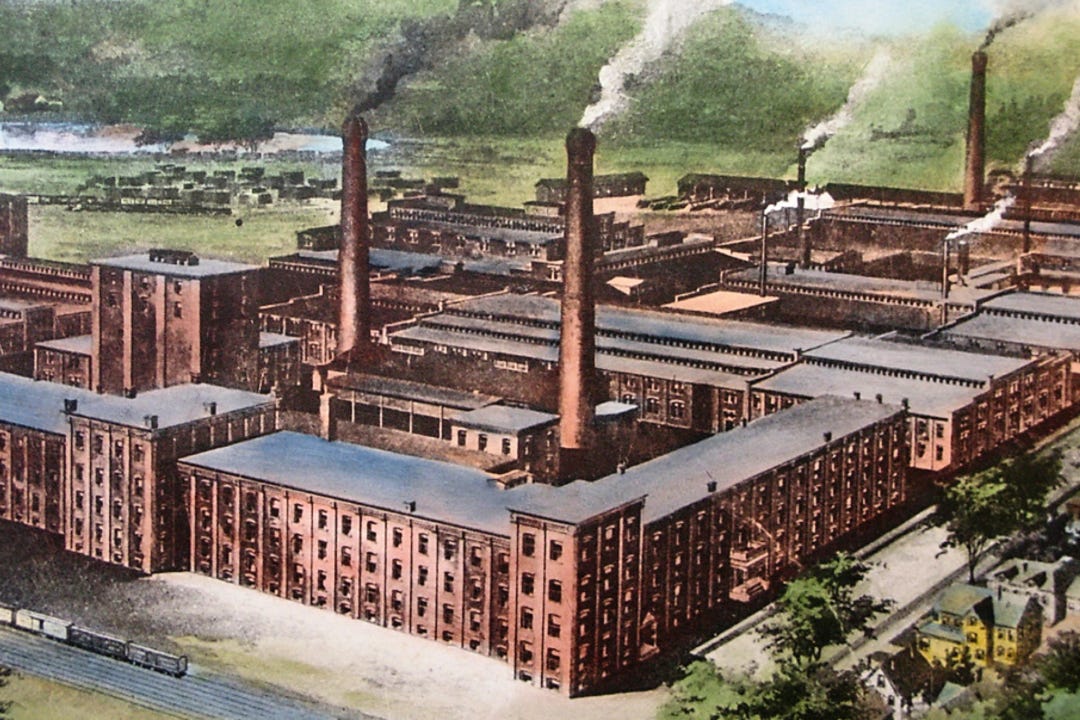
British coal helped solve that problem. It fueled locomotives, powered steamships, supplied iron and steel mills, illuminated cities through gasworks, and later generated electricity. It enabled many European countries to industrialize despite lacking large domestic coalfields of their own.
This article examines how British coal powered Europe’s nineteenth-century economy. It explains which countries relied most heavily on imported British coal, how that coal was used, and why access to Britain’s energy exports helped shape the geography of European industrialization.
Energy is vital to human progress (the series)

If you’re following me but don’t yet receive these essays by email, you’re missing most of them. Substack doesn’t email articles to followers, only to subscribers. You can get every new essay free in your inbox by subscribing 👉:
If you enjoy this article, you should read my From Poverty to Progress book series.

Coal Powered the British Industrial Revolution
The Industrial Revolution began in Britain because it was the first nation to combine abundant coal with new technologies such as the steam engine. Coal provided a cheap, reliable, and concentrated source of energy that could pwer factories, ironworks, railroads, and steamships on a scale that traditional energy sources could not match.
As Britain’s industrial economy expanded, coal production grew rapidly to meet rising demand. By the middle of the nineteenth century, coal had become the foundation of Britain’s manufacturing, transportation, and urban economy. Britain’s industrial success therefore rested not only on innovation, but also on its ability to produce enormous quantities of coal at low cost.
Once Britain demonstrated what coal-powered industrialization could achieve, the rest of Europe sought to follow its example.


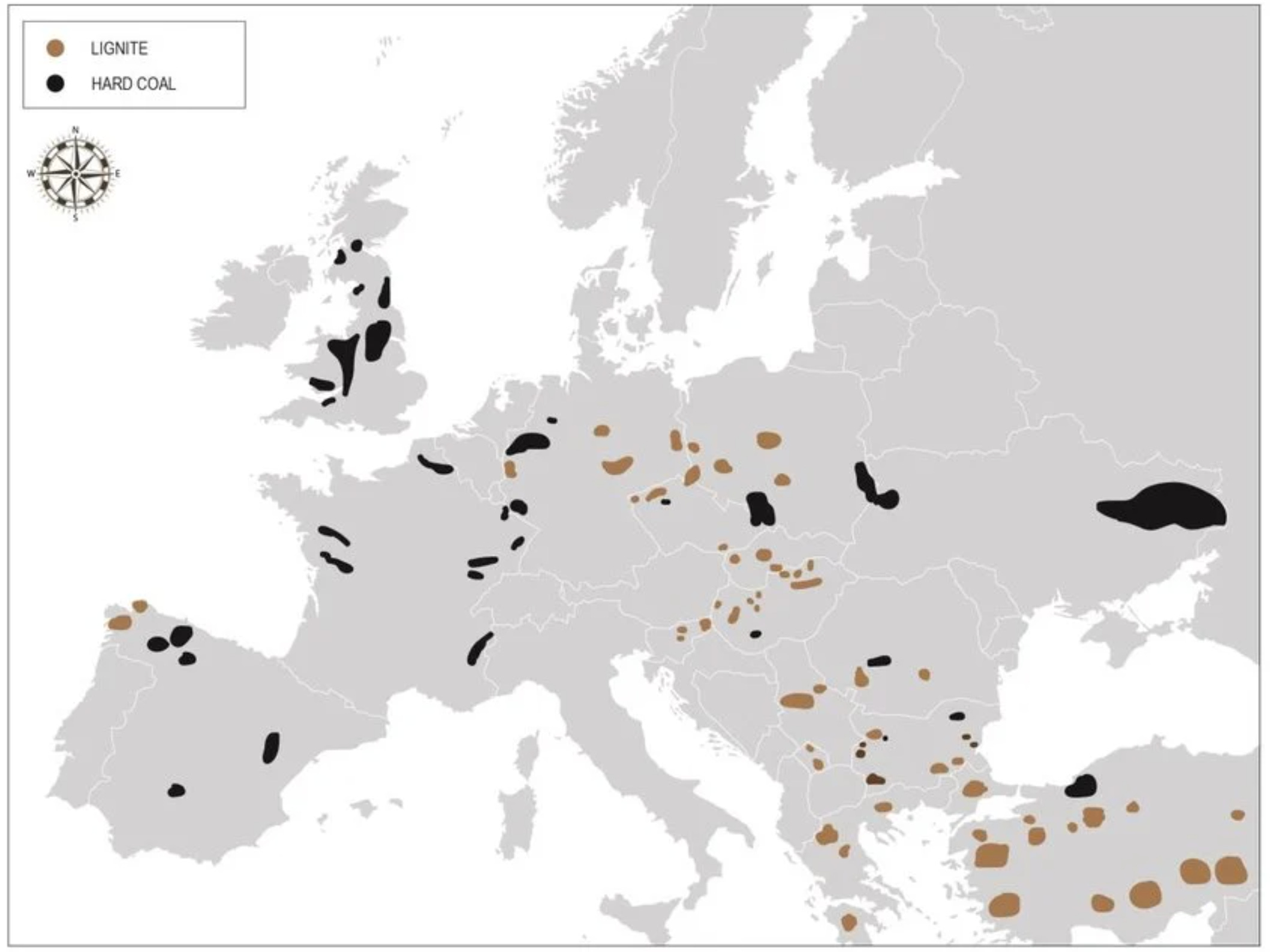
European Nations That Could Rely on Domestic Coal Production
But to follow Britain’s path, each nation needed a key input: energy. And by far the most important energy input of hte 19th-Century was coal. Some European nations were luckier than others in this regard.
Several European countries possessed large domestic coalfields that supplied most or all of their industral energy needs. These nations relied primarily on local production, although some still imported British coal to supplement domestic supplies.

Germany
Germany possessed some of Europe’s richest coalfields, particularly in the Ruhr and Saar regions. By 1913, Germany produced roughly 190 million tons of coal each year, making it one of the world’s largest coal producers. Domestic production supplied the overwhelming majority of Germany’s energy needs.
Belgium
Belgium’s principal coalfields were located in the Sambre-Meuse basin. By the early twentieth century, Belgium produced roughly 20 to 25 million tons of coal annually. This was sufficient to meet most domestic demand, and Belgium occasionally exported coal to neighboring countries.
France
France’s largest coalfields were located in Nord-Pas-de-Calais and around Saint-Étienne. By 1913, French mines produced roughly 40 million tons of coal each year. Domestic production supplied much of France’s energy needs, but not enough to satisfy its rapidly growing industrial economy. As a result, France remained an important importer of British coal.
Other Coal-Producing Nations
Several other European countries also possessed significant coalfields.
Russia mined coal in the Donets Basin (Donbas)
Austria-Hungary produced coal in Bohemia, Moravia, and Upper Silesia.
Spain’s principal coalfields were located in Asturias.
Although these countries produced substantial quantities of coal, their industries were generally smaller than those of Britain or Germany, and domestic production supplied most of their energy requirements.
These nations were the exception. Most European countries possessed few significant coalfields and therefore had little choice but to import coal if they wished to industrialize.
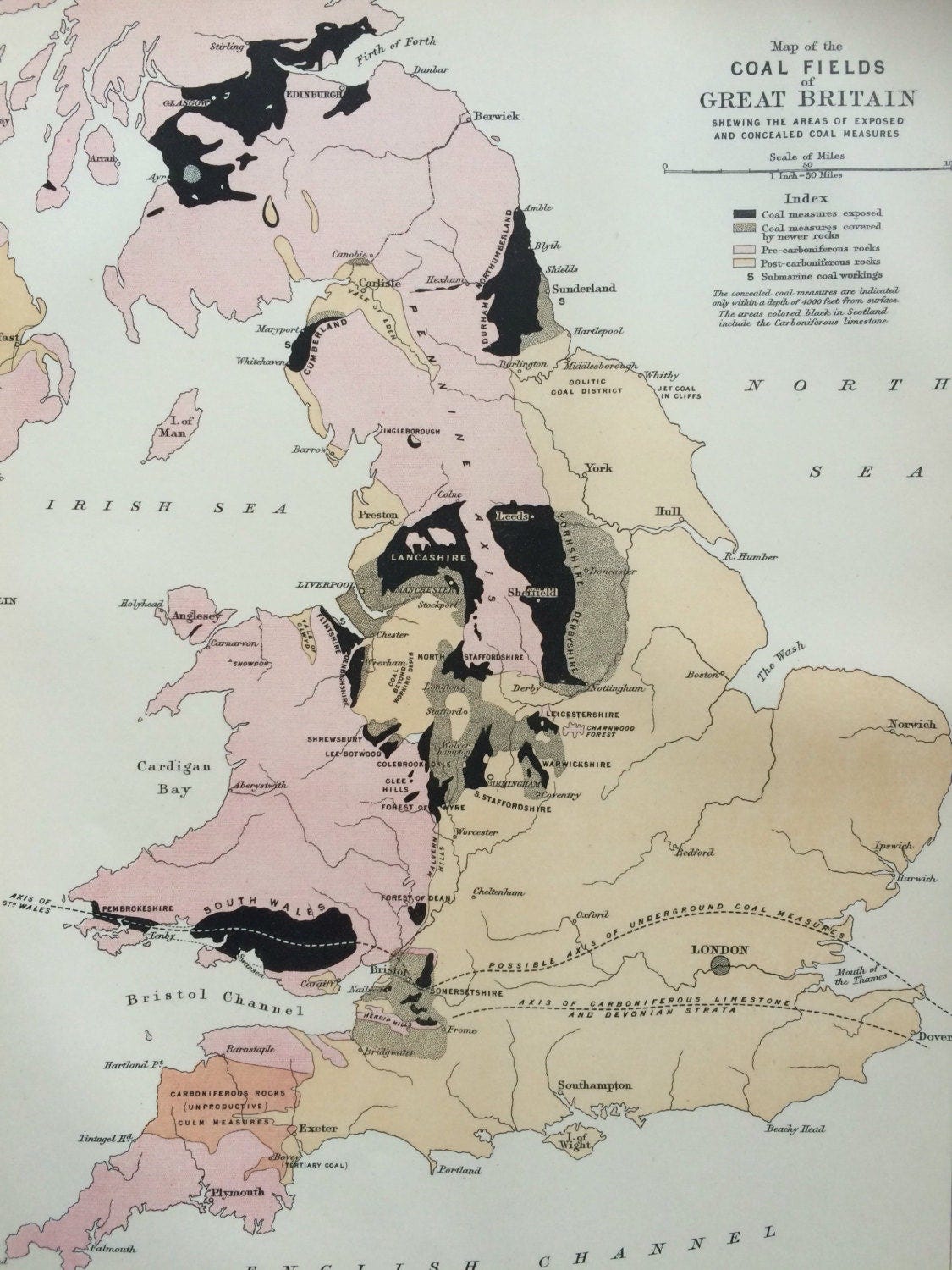
Why the Rest of Europe Relied on British Coal
Britain became Europe’s dominant coal supplier because it possessed several important advantages over all other nations:
Enormous coal reserves that could supply both domestic demand and large export markets.
Coalfields located close to navigable rivers and major seaports, reducing transportation costs.
A central location near Europe’s largest industrial and commercial markets.
Early industrialization that created decades of mining experience and highly productive coal mines.
Railroads and steamships that dramatically expanded Britain’s ability to transport coal throughout Europe.
Together, these advantages allowed Britain to become Europe’s dominant supplier of imported coal during the nineteenth century.
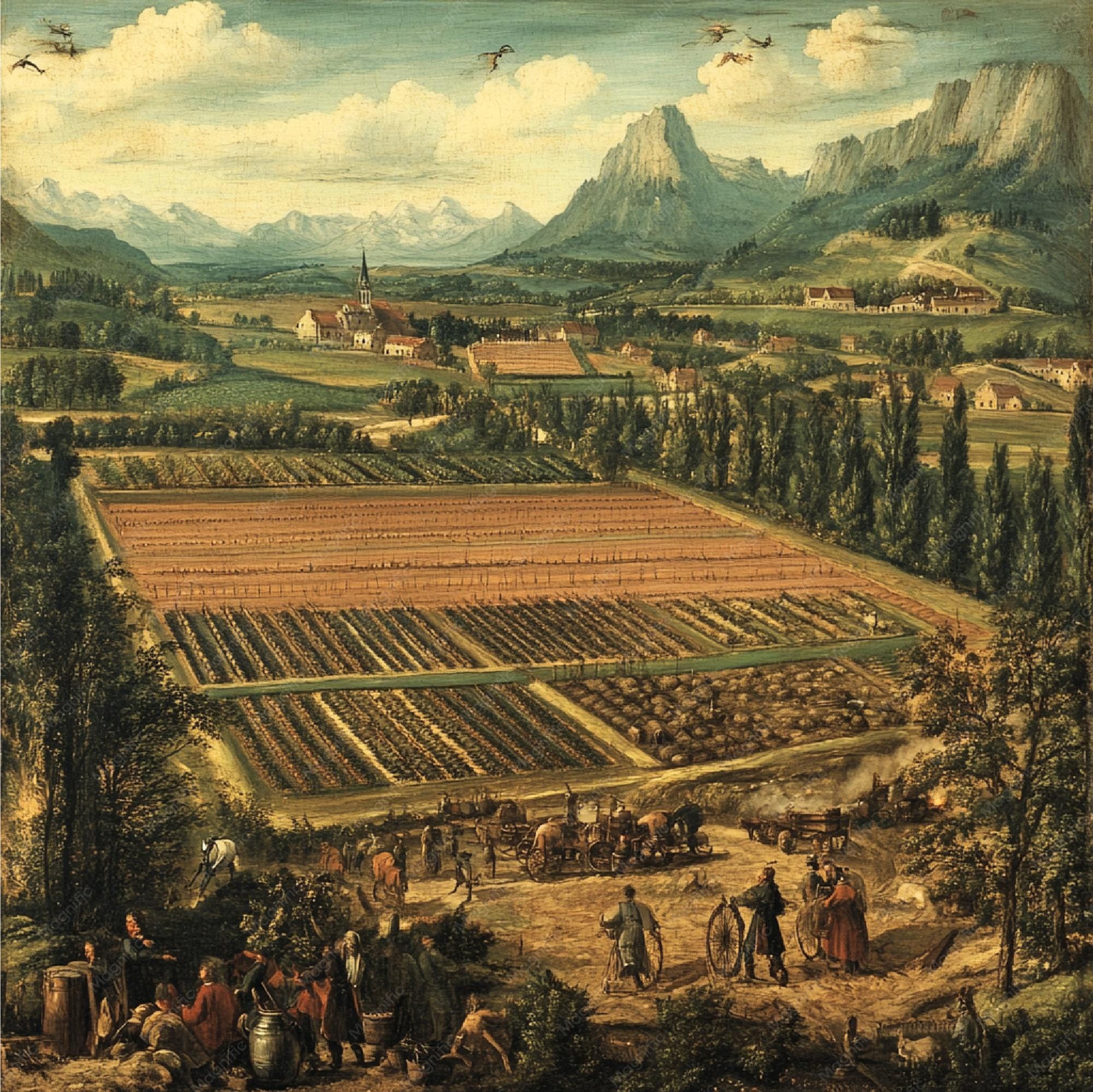
Traditional Energy Sources Still Dominated
Before industrialization, nearly every European country relied on the same traditional energy sources. Even by 1913, these older forms of energy still played an important role, especially in agriculture and rural life. A typical European energy mix included approximately:
Human labor (food): 20-25%
Draft animals (fodder): 20-30%
Firewood and charcoal: 10-20%
Wind: less than 1%
Water: 1-3%
Peat: 0-10% (widely varying by region)
Coal: 35-50%
The countries below all shared this basic energy foundation. What distinguished them was the extent to which British coal replaced traditional fuels and became the energy source that powered modern industry and transportation.
National Dependence on British Coal
During the nineteenth century, coal increasingly became the energy source that powered modern industry. Countries like Britain, Germany, and Belgium with abundant coalfields relied primarily on domestic production. Most of the rest of Europe depended heavily on imports from Britain.
Italy
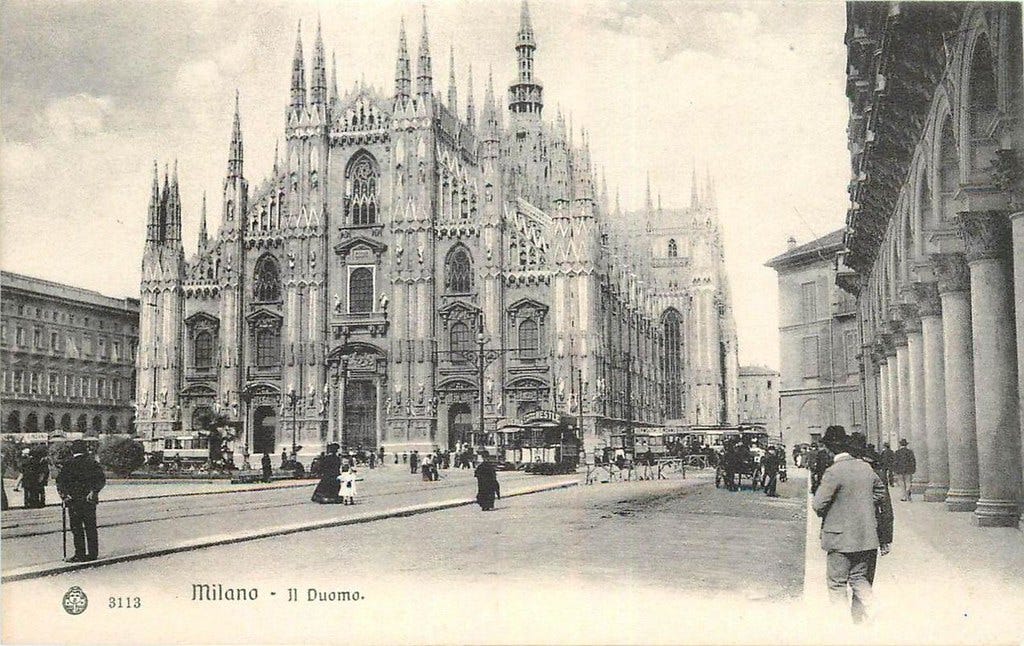
Italy possessed almost no significant coalfields. As the country industrialized after unification, British coal became the only practical source of industrial fuel. Large quantities arrived through Genoa, Naples, Venice, and other ports before being distributed by rail to factories and cities across northern Italy. British coal powered railroads, steamships, gasworks, ironworks, and the growing manufacturing centers around Milan, Turin, and Genoa.
Approximate sources of Italy’s coal supply (1913):
Domestic coal: less than 5%
British coal: 85-95%
Other coal imports: 5-15%
Denmark
Denmark had virtually no domestic coal production. British coal therefore became the foundation of the country’s industrial economy. Imports fueled railroads, merchant shipping, urban gasworks, and factories, while Copenhagen became one of the principal distribution centers for British coal in Scandinavia.
Approximate sources of Denmark’s coal supply (1913):
Domestic coal: 0%
British coal: 90-95%
Other coal imports: 5-10%
Sweden
Sweden possessed abundant forests and rich iron ore deposits but little coal. British coal allowed Swedish industry to exploit these natural resources on a much larger scale. Imported coal powered railroads, steel mills, steamships, and engineering works, while Swedish iron ore became one of Europe’s most valuable industrial exports.
Approximate sources of Sweden’s coal supply (1913):
Domestic coal: less than 5%
British coal: 75-90%
Other coal imports: 10-20%
Norway
Norway lacked major coalfields and therefore depended heavily on British imports. Coal fueled coastal steamship routes, merchant shipping, railroads, and growing industries in cities such as Oslo and Bergen. Britain’s location across the North Sea made it the natural supplier.
Approximate sources of Norway’s coal supply (1913):
Domestic coal: less than 5%
British coal: 85-95%
Other coal imports: 5-15%
Netherlands
Although small coalfields existed in Limburg, domestic production remained limited before the First World War. British coal entered through Rotterdam and Amsterdam, where it powered shipping, railroads, manufacturing, gasworks, and one of Europe’s busiest port economies. Britain’s short shipping distance across the North Sea made it the lowest-cost supplier.
Approximate sources of the Netherlands’ coal supply (1913):
Domestic coal: 15-25%
British coal: 65-80%
Other coal imports: 5-10%
Switzerland
Switzerland possessed almost no coal of its own. British coal reached Swiss factories through ports in France, Belgium, and the Netherlands before continuing inland by rail. Despite the additional transportation costs, imported coal remained essential for Swiss railroads, textile mills, machine manufacturers, and other industries until hydroelectric power became increasingly important.
Approximate sources of Switzerland’s coal supply (1913):
Domestic coal: 0%
British coal: 60-75%
Other coal imports: 25-40%
France
France occupied a middle position between:
Britain, Germany, and Belgium
The Rest of Europe
French coalfields in Nord-Pas-de-Calais and around Saint-Étienne supplied much of the country’s demand, but not enough to support its expanding industrial economy. British coal supplemented domestic production, particularly in coastal regions and industrial centers where imported coal could be delivered more economically than transporting French coal over long distances.
Approximate sources of France’s coal supply (1913):
Domestic coal: 65-75%
British coal: 20-30%
Other coal imports: 5-10%
These examples illustrate Britain’s extraordinary position in the European energy market. Outside the continent’s major coal-producing nations, British coal supplied most of the imported fuel that powered Europe’s railroads, steamships, factories, and industrial cities.
British Coal Imports Powered the Five Keys
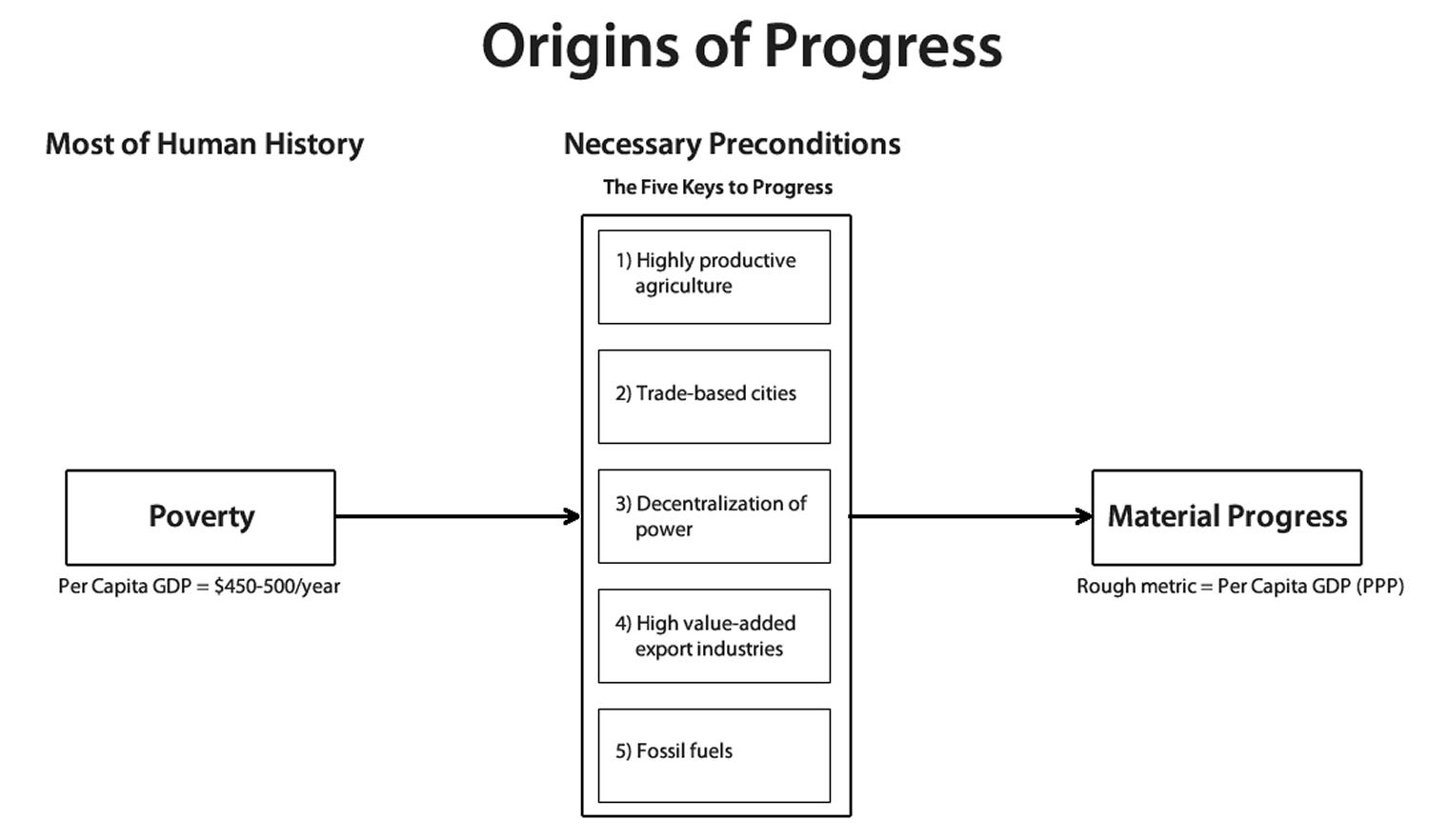
Throughout my book series and this Substack column, I have advocated for the Five Keys to Progress theory as explaining why nations suddenly transform from millenia of poverty to self-sustaining long-term material progress for its people.
British coal exports to the rest of Europe in the 19th Century is a clear example of the necessary precondition of “widespread usage of fossil fuels.” These coal exports also had the secondary impact on the other four Keys to Progress.
British Coal Accellerated Key #1: Agricultural Productivity
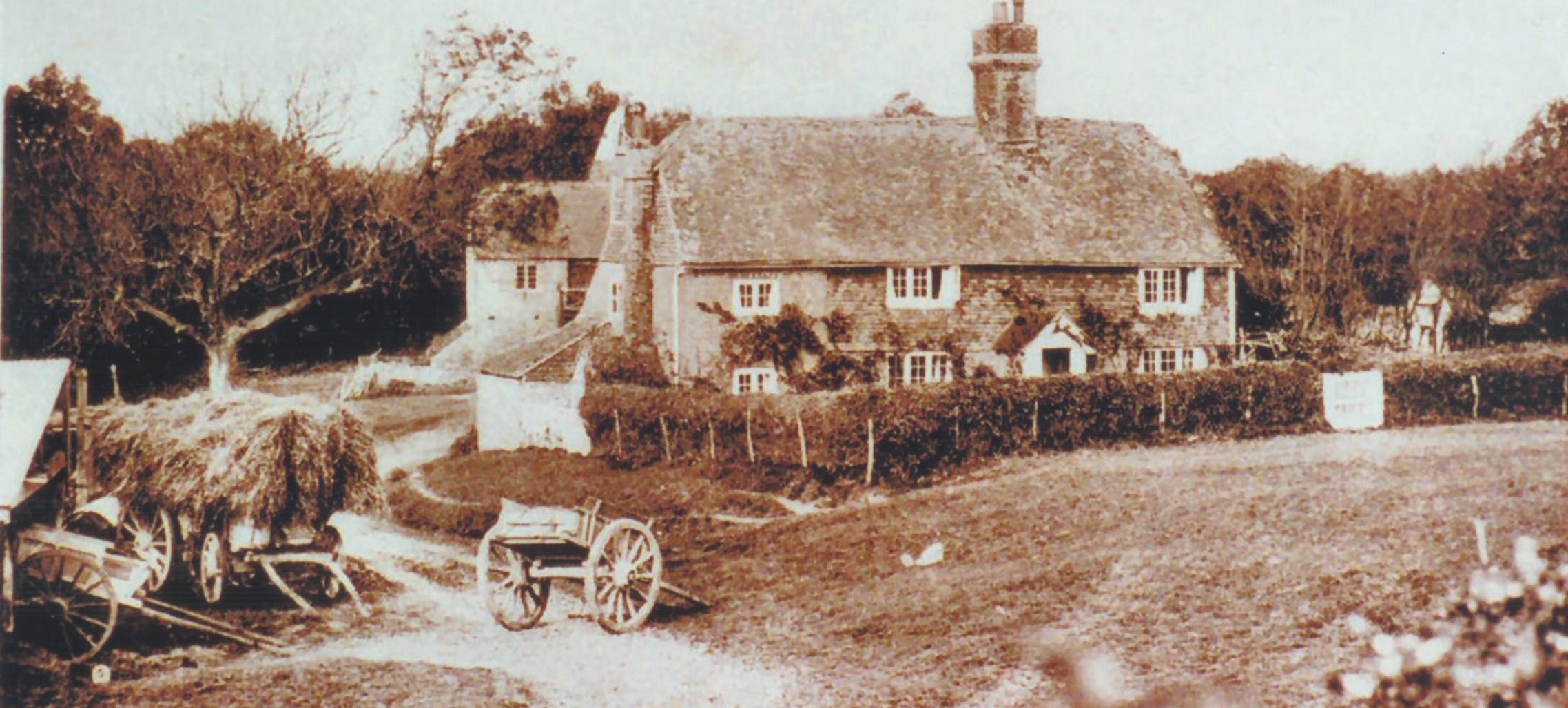
Imported British coal did far more than power factories. British coal imports transformed European agriculture by making it easier and cheaper to move food, fertilizer, livestock, and farm supplies over long distances. In doing so, coal strengthened the First Key to Progress: efficient food production and distribution. This enables societies to overcome geographical constraints on food production so that large numbers of people can focus on solving problems other than getting enough food to eat.
Better Agricultural Inputs
One important effect came from agricultural inputs. Traditional farming depended heavily on manure produced by local animals. During the nineteenth century, farmers increasingly supplemented it with commercial fertilizers. These included phosphates, imported nitrates, guano, and other soil treatments. Producing, processing, and transporting these materials required growing amounts of industrial energy.
France was an early adopter. Around 1899–1900, French farmers were already applying about 40 kilograms of phosphate fertilizer per hectare. Superphosphate became increasingly common during the early twentieth century. Farmers also used basic slag, a phosphorus-rich byproduct of modern iron and steel production. Industrialization was beginning to create new sources of plant nutrients as well as the transportation system needed to distribute them.
Cheaper Distribution of Inputs
Coal made these new agricultural inputs much easier to use on a large scale. Steamships carried phosphate rock, nitrates, and other raw materials to European ports. Chemical factories processed some of these materials into fertilizer. Railroads then moved fertilizers inland to farming districts. In countries without domestic coalfields, British coal supplied much of the industrial energy behind this system.
Coal also helped farmers obtain other inputs from much larger markets. Railroads carried improved machinery, animal feed, seed, and fertilizer into rural areas. The same trains could carry crops and livestock back to cities and ports. Farmers no longer had to depend as heavily on whatever resources happened to be available nearby.
Denmark provides a striking example. During the late nineteenth century, Danish agriculture shifted toward higher-value products such as butter, bacon, eggs, and dairy products. Thousands of farmers supplied cooperative creameries that processed milk into standardized products for export. These creameries spread rapidly during the final decades of the century, and their machinery depended on coal. Denmark had virtually no domestic coal, so imported British coal became part of the energy system behind one of Europe’s most successful agricultural export industries.
Faster and Cheaper Distribution of Food
Before the railroad age, most food had to be consumed close to where it was produced. Poor roads and expensive wagon transport made it difficult for farmers to reach distant markets. Coal-powered railroads and steamships changed this equation. By the late nineteenth century, agricultural products could be transported hundreds of miles quickly and at relatively low cost.
Denmark provides one of the best examples. The country’s agriculture shifted from grain production toward higher-value exports such as butter, bacon, eggs, and dairy products. British coal powered the railroads that carried these products to Copenhagen and other ports, while coal-fired steamships transported them across the North Sea to British consumers. By 1913, Britain purchased roughly 60 percent of Denmark’s exports, much of them agricultural products that depended upon coal-powered transportation.
Italy experienced a similar transformation. Coal-powered railroads connected the fertile Po Valley with the ports of Genoa, Venice, and Trieste. Farmers could ship fresh fruit, vegetables, wine, rice, and silk to distant domestic and international markets that had previously been uneconomic to serve. Coal therefore helped convert northern Italy from a collection of largely regional agricultural economies into one increasingly integrated with European trade.
The Netherlands also benefited from imported British coal. Coal-powered transportation allowed Dutch farmers to specialize in dairy products, vegetables, flowers, and other high-value crops destined for both domestic cities and foreign markets. Rotterdam became one of Europe’s principal gateways for imported coal and exported agricultural products alike.
Even countries with substantial domestic coal production benefited from these changes. In France, coal-powered railroads linked agricultural regions with Paris and the country’s major ports. Germany’s dense railroad network similarly connected East Prussian grain, Bavarian livestock, and Rhineland markets into a single national economy. Coal made it possible for farmers to specialize, increase productivity, and sell to consumers far beyond their local communities.
These examples illustrate an important point. British coal did not replace agriculture. Instead, it made agriculture far more productive by dramatically reducing transportation costs and expanding access to larger markets. Throughout much of Europe, imported British coal helped transform farming from a primarily local activity into an increasingly commercial enterprise that supplied rapidly growing industrial cities.
British Coal Powered Key #2: Trade-Based Cities
Imported British coal helped transform many of Europe’s ports and commercial centers into thriving trade-based cities. Coal supplied the energy needed to power factories, railroads, docks, gasworks, water systems, and later electric power stations. In doing so, it strengthened the Second Key to Progress: trade-based cities of free citizens with diverse skills. These people innovate new technologies, skills and social organizations and copy the innovations made by others.
Ports
Coal first transformed Europe’s ports. Coal itself became one of Europe’s largest traded commodities. Every shipment generated employment for dockworkers, merchants, railroad companies, warehouse operators, ship owners, insurers, and financial institutions.
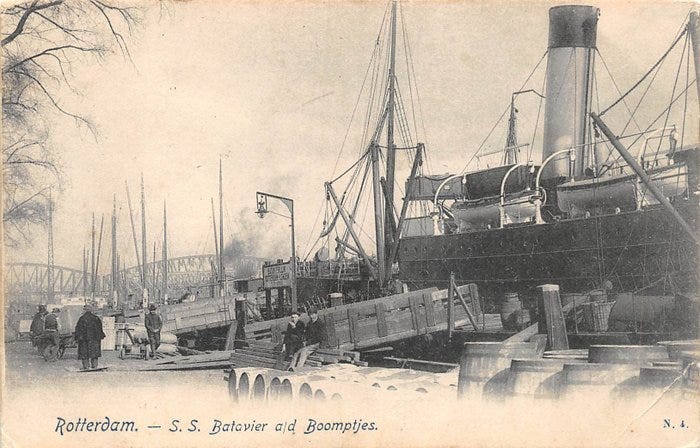
Rotterdam illustrates this transformation. By 1913 it ranked among Europe’s busiest ports. British coal crossed the North Sea in enormous quantities before being distributed throughout the Netherlands and into western Germany. The same port also handled grain, timber, petroleum, manufactured goods, and colonial imports, creating one of Europe’s most diversified commercial economies.
Genoa experienced a similar expansion. It became Italy’s principal coal-importing port, supplying much of the country’s industrial triangle of Genoa, Milan, and Turin. Coal imports stimulated ship repair, warehousing, banking, insurance, and railroad services, allowing Genoa to become Italy’s leading commercial port before the First World War.
Urban Industry
Imported coal allowed cities without nearby coalfields to develop large manufacturing sectors. Reliable steam power meant that factories no longer had to locate beside rivers or depend on seasonal water flows.
Milan provides one of the best examples. Northern Italy possessed almost no coal, yet by the early twentieth century Milan had become Italy’s leading industrial city. British coal imported through Genoa powered textile mills, engineering firms, machine-tool factories, and electric generating stations. Between 1871 and 1911, Milan’s population more than doubled from roughly 260,000 to nearly 600,000 as industry expanded.
Stockholm followed a different path but reached a similar outcome. Sweden possessed rich iron ore deposits but very little coal. British coal imported through Baltic ports powered engineering firms, foundries, and shipyards. Companies such as ASEA and Atlas expanded rapidly during the late nineteenth century, helping Stockholm become one of northern Europe’s leading industrial cities.
Urban Transportation
Coal supplied the energy needed to move both people and goods within and between Europe’s growing cities. Steam locomotives connected ports with inland markets, while steam-powered harbor equipment accelerated the movement of cargo.
Copenhagen depended almost entirely on imported British coal to operate its railroads and harbor facilities. Coal-powered transportation connected Denmark’s agricultural regions with the capital, allowing butter, bacon, eggs, and dairy products to reach export markets quickly and reliably. By 1913, Britain purchased roughly 60 percent of Denmark’s exports, much of which passed through Copenhagen.
Amsterdam benefited in a similar way. Imported British coal powered rail connections with the Dutch interior while supplying steam-powered industries and port operations. Together with nearby Rotterdam, Amsterdam became an important gateway through which imported energy entered the Dutch economy.
Public Utilities
Coal transformed urban life by supplying reliable energy for municipal services. Cities used coal to manufacture gas for lighting, pump drinking water, operate sewage systems, and eventually generate electricity.
Paris provides an excellent example. Throughout the nineteenth century, municipal gasworks burned enormous quantities of coal to illuminate streets, public buildings, shops, and private homes. Coal-powered pumping stations also improved the city’s water supply and sanitation, helping support a rapidly growing urban population that exceeded 2.8 million by 1911.
Brussels underwent a similar transformation. Coal-fired gasworks extended public lighting across the city, while steam engines supported waterworks and other municipal services. These improvements made the city safer, healthier, and more attractive for commerce and industry.
Urban Specialization
Perhaps the greatest long-term impact of imported British coal was that it allowed cities to specialize. Instead of depending primarily on nearby natural resources, urban economies increasingly focused on manufacturing, finance, shipping, engineering, education, and commerce while importing the energy needed to support these activities.
Zurich demonstrates this process clearly. Switzerland possessed almost no coal, yet Zurich became an international center for textiles, machinery, engineering, and banking. British coal, transported inland by rail after arriving at continental ports, supplied much of the industrial energy that supported this economic specialization before hydroelectric power became widespread.
Copenhagen provides another example. Rather than becoming a heavy industrial city, it specialized in food processing, shipping, finance, and international trade. Imported British coal powered the industries and transportation networks that enabled Denmark’s highly productive agricultural economy to serve markets throughout northern Europe.
British coal therefore did far more than power factories. It enabled Europe’s trade-based cities to become larger, more specialized, and more productive, creating urban economies that drove much of the continent’s nineteenth-century economic growth.
British Coal Supported Key #4: Export Industries
Imported British coal did more than satisfy Europe’s demand for energy. It also helped many countries develop competitive export industries. In doing so, coal strengthened the Fourth Key to Progress: high-value-added export industries. This injects wealth into the city or region, accelerates economic growth and creates markets for smaller local industries and services.
Coal Powered Manufacturing for Export
Coal allowed manufacturers to produce goods on a much larger scale than traditional sources of energy. Steam-powered factories could operate throughout the year, regardless of the weather or the availability of water power.
Northern Italy illustrates this transformation. British coal imported through Genoa powered textile mills, engineering works, and machinery factories in Milan and Turin. By the early twentieth century, Italy had become a major exporter of silk textiles, cotton goods, machinery, and railroad equipment despite possessing almost no domestic coal.
Switzerland followed a similar path. The country lacked significant coalfields, yet British coal imported through France, Belgium, and the Netherlands powered textile mills, machine-tool manufacturers, and engineering firms. By 1913, Switzerland had become one of Europe’s leading exporters of machinery, precision instruments, and high-quality textiles.
Coal Added Value to Natural Resources
Many countries possessed valuable natural resources but lacked the energy needed to process them efficiently. Imported British coal allowed these resources to be transformed into much higher-value exports.
Sweden provides one of the clearest examples. The country possessed some of Europe’s richest iron ore deposits, particularly around Kiruna and Gällivare. British coal powered blast furnaces, rolling mills, and engineering works that converted this ore into steel products, machinery, and industrial equipment. Rather than exporting only raw materials, Sweden increasingly exported manufactured goods with much higher value.
Norway also benefited from this pattern. Coal powered shipyards, metalworking industries, and fish-processing facilities along the coast. Steam-powered equipment allowed Norwegian fisheries to process and preserve much larger catches for export, while shipbuilding became one of the country’s leading industries.
Coal Supported Agricultural Export Industries
Coal also increased the value of agricultural production by supporting processing industries located near farms and ports.
Denmark became Europe’s outstanding example. British coal powered hundreds of cooperative creameries, bacon factories, breweries, and food-processing plants that converted raw farm products into standardized, high-quality exports. By 1913, Denmark had become one of Europe’s leading exporters of butter and bacon, with Britain purchasing roughly 60 percent of Danish exports.
The Netherlands followed a similar strategy. British coal powered flour mills, sugar refineries, food-processing plants, and other industries centered around Rotterdam and Amsterdam. These facilities enabled Dutch agriculture to specialize in higher-value products destined for both domestic and international markets.
Coal Strengthened Commercial Networks
Export industries required more than factories. They also depended upon ports, warehouses, railroads, banks, insurance companies, and shipping firms that connected producers with overseas markets.
Rotterdam became one of Europe’s principal commercial hubs because British coal powered both its industries and its transportation system. Goods manufactured in the Netherlands and western Germany could be shipped efficiently to markets throughout Europe and overseas.
Genoa performed a similar role for Italy. Coal arriving from Britain supplied factories throughout northern Italy while the port exported machinery, textiles, agricultural products, and manufactured goods across the Mediterranean and beyond. The same transportation network that delivered Britain’s energy also carried Italy’s exports to world markets.
British coal therefore did much more than supply fuel. It helped European countries build competitive export industries by providing the reliable energy needed to manufacture goods, process natural resources, add value to agricultural products, and connect producers with international markets.
Other Ways British Coal Strengthened Europe’s Economy
British coal influenced Europe’s economy in many additional ways beyond agriculture, trade-based cities, and export industries. It lowered transportation costs, improved public health, accelerated technological innovation, and strengthened economic integration across the continent.
Cost of Transportation
Perhaps the greatest economic benefit of imported British coal was its effect on transportation costs. Coal-powered railroads and steamships moved goods far more cheaply and reliably than horse-drawn wagons or sailing ships. Lower transportation costs reduced the prices of food, raw materials, and manufactured goods while allowing businesses to serve much larger markets.
Switzerland illustrates this effect. Although the country had almost no coal of its own, imported British coal powered the railroads that connected its manufacturers with ports in France, Belgium, and the Netherlands. Swiss machinery, textiles, and watches could now compete successfully in international markets despite the country’s inland location.
Increased Labor Productivity
Steam engines replaced much of the physical labor previously performed by humans and draft animals. A single stationary steam engine could power dozens or even hundreds of machines simultaneously, allowing each worker to produce far more output than before.
Belgium provides a good example. Although it relied primarily on domestic coal rather than British imports, Belgian industries demonstrated how abundant coal dramatically increased labor productivity. Countries importing British coal were able to achieve many of the same gains without possessing their own major coalfields.
Improved Public Health
Coal-powered waterworks and sewage systems helped make Europe’s growing cities healthier places to live. Steam engines pumped clean drinking water, removed wastewater, and supplied the pressure needed for expanding municipal water networks.
Stockholm illustrates this transformation. During the late nineteenth century, investments in modern water and sanitation systems helped reduce disease while supporting rapid urban growth. Similar improvements occurred in Copenhagen, Amsterdam, Milan, and many other cities whose public utilities depended directly or indirectly on imported British coal.
Technological Innovation
Reliable supplies of inexpensive energy encouraged businesses to adopt new machinery and production methods. Manufacturers became more willing to invest in larger factories because they could depend upon continuous supplies of fuel.
Italy provides a striking example. British coal supported the rapid expansion of engineering firms in Milan and Turin, many of which began producing increasingly sophisticated machinery, electrical equipment, and transportation equipment during the late nineteenth century. Similar patterns emerged in Sweden, Switzerland, and the Netherlands.
Economic Integration
Perhaps the most important long-term effect of British coal was that it made European economies increasingly interconnected. Coal linked British mines with continental ports, railroads, factories, farms, banks, insurance companies, and export industries. As trade expanded, countries became more economically specialized and increasingly dependent upon one another.
By 1913, millions of tons of British coal crossed the North Sea, English Channel, Bay of Biscay, Baltic Sea, and Mediterranean every year. These shipments formed one of the largest commodity flows in the world and helped integrate much of Europe into a single industrial economy decades before the creation of the European Union.
British coal therefore did much more than provide heat or mechanical power. It lowered costs, increased productivity, improved public health, encouraged innovation, and connected national economies into an increasingly integrated European market.
Conclusion
By the beginning of the First World War, British coal had become one of the foundations of Europe’s industrial economy. Countries blessed with large domestic coalfields relied primarily on their own production, but much of the rest of the continent depended upon imported British coal to power economic growth.
British coal increased agricultural productivity by making fertilizer, machinery, and transportation more efficient. It helped Europe’s trade-based cities grow into centers of manufacturing, finance, and commerce. It supported export industries that transformed local resources into high-value products for world markets. It also lowered transportation costs, increased labor productivity, improved public health, encouraged technological innovation, and integrated Europe’s economies through expanding trade networks.
The Industrial Revolution is often told as the story of steam engines, factories, and technological innovation. Equally important was the flow of energy that made these developments possible. For many European nations, that energy arrived aboard British ships carrying coal across the North Sea, the Atlantic, and the Mediterranean.
Britain did more than fuel its own Industrial Revolution. Through its coal exports, it helped power the economic transformation of much of Europe.
Bibliography
Church, Roy. The History of the British Coal Industry, Volume 3: Victorian Pre-Eminence.
Evans, Chris, and Göran Rydén. Baltic Iron in the Atlantic World in the Eighteenth Century.
Fouquet, Roger. Heat, Power and Light: Revolutions in Energy Services.
Pollard, Sidney. The Integration of the European Economy Since 1815.
Schivelbusch, Wolfgang. The Railway Journey: The Industrialization of Time and Space in the Nineteenth Century.
Wrigley, E. A. Energy and the English Industrial Revolution.
If you’ve been enjoying these essays but only follow me here, you’re not getting them by email. Followers see Notes; subscribers receive every new piece on the history and future of progress.
Subscribe free here 👉:
See also my other articles on coal and its impact on economic history:


If you enjoyed this article, you should read my From Poverty to Progress book series.
Another tour de force!
I wonder what will happen when your exquisite, physically-based analysis collides with the current financialised economy.