

How Northern Italy’s city-states pioneered innovations in finance, government, manufacturing, and trade that helped reshape Europe.
If you’re following me but don’t yet receive these essays by email, you’re missing most of them. Substack doesn’t email articles to followers, only to subscribers. You can get every new essay free in your inbox by subscribing 👉:
In a previous article, I explained how the city/states of Northern Italy transformed from a state of widespread poverty to transform into dynamic Commercial societies that raised up the material standard of living of their citizens. This essay looks at the innovations that helped make that transformation possible.
Most accounts of the Renaissance focus on its extraordinary achievements in painting, sculpture, architecture, and literature. Those achievements matter, but they are only part of the story. Northern Italy was also a remarkable center of technological and organizational innovation.
Between 1200 and 1600, its city-states became some of Europe’s most important laboratories of innovation. Political independence, intense competition among cities, dense urban economies, and access to Mediterranean trade created unusually favorable conditions for new technologies and institutions to develop and spread.
Above all, these were Commercial societies. Trade, finance, and manufacturing shaped everyday economic life while generating the wealth needed to support governments, armies, public works, technological experimentation, and cultural patronage. Northern Italians developed or expanded innovations ranging from communal government and banking to large-scale shipbuilding and new forms of engineering.


Not all of these innovations originated in Northern Italy. In many cases, Italians adopted technologies or organizations that already existed elsewhere, improved them, and expanded their use on a much larger scale. What matters is the combination. Together, these innovations transformed politics, finance, warfare, manufacturing, and culture in Northern Italy, and many later spread across Europe.
The innovations below are presented in roughly chronological order. For each, I will explain what came before, how the innovation worked, why it mattered, and the cities or individuals most closely associated with it.
The Commercial city/states of Northern Italy 1200-1500 (the series)

Learn more about the first of the modern Commercial societies that invented material progress for the masses long before Industrial Revolution.
If you enjoy this article, you should read for my From Poverty to Progress book series.

Communal government
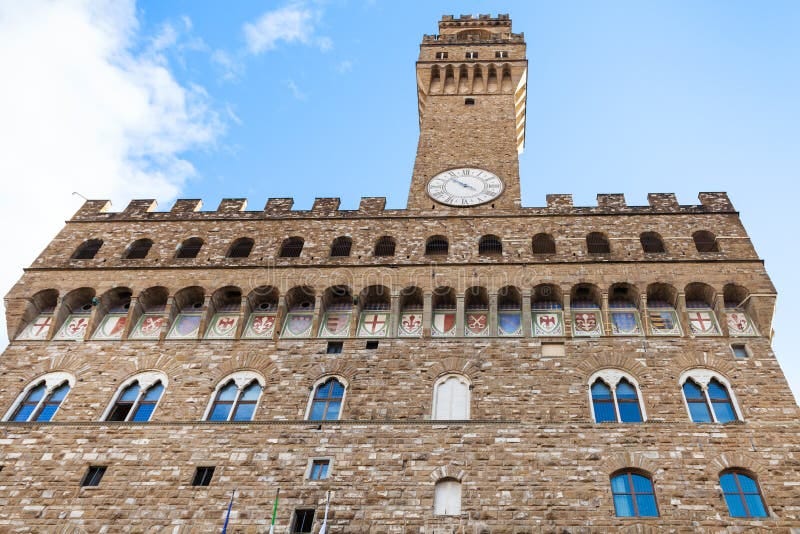
Before the communes, northern Italy was divided among local lords, bishops, and remnants of imperial administration. Political power was largely personal. It came from noble lineage, control of land, or the temporal authority of the Church.
Beginning in the eleventh and twelfth centuries, and accelerating during the thirteenth, many northern Italian cities developed a different form of government. Cities such as Milan, Florence, Bologna, Padua, and Genoa created communes in which merchant and artisan elites governed through civic institutions rather than relying solely on hereditary rulers.
The important innovation was not any single institution. It was the creation of a more regular system of urban self-government.
Communes established councils, consuls, podestà, and other magistrates with defined responsibilities and limited terms.
Written statutes set out rules
Professional notaries and civic officials kept records, settled disputes, collected taxes, and administered public works.
These institutions varied considerably from city to city. Some communes gave guild representatives formal political roles, while others concentrated power in narrower oligarchies.
What they shared was a shift toward governing through established institutions and legal procedures. Political authority became less dependent on the decisions of a particular lord and more embedded in institutions that could survive changes in leadership.
This was particularly important in Commercial societies. Large concentrations of merchants, artisans, workshops, and markets created problems that personal rule was poorly equipped to manage. Cities needed to enforce contracts, settle disputes, collect taxes, maintain roads and bridges, defend their walls, regulate markets, and provide enough public order for commerce to function.
Communal government gave them greater capacity to do these things consistently. That made it easier to support long-distance trade, capital accumulation, and increasingly complex urban economies.
The communes also created a new arena for competition among urban elites. Merchant families and guilds competed for political influence, civic offices, public patronage, and prestige. That competition helped stimulate the extraordinary institutional and cultural creativity of the Italian city-states.

Milan, Florence, Bologna, and Genoa became important laboratories for communal government. Venice developed along a somewhat different institutional path, which I will discuss later. In Florence, guild-based communal institutions shaped the city’s political economy and created the political framework within which powerful families such as the Albizzi and Medici later operated and sometimes dominated.

Codified mercantile law
Long-distance commerce becomes much harder when agreements depend on memory, personal relationships, and local custom. Before the thirteenth century, many transactions were still oral, legal practices differed from one place to another, and written records were much less common.
Northern Italy responded by making commercial agreements more standardized, documented, and enforceable. Professional notaries became central figures in urban economic life. They recorded contracts, wills, partnership agreements, bills of sale, mortgages, and other transactions using standardized language and legal forms.
Cities and other institutions also began keeping systematic registries of these documents. Over time, customary commercial practices were incorporated into municipal statutes and guild regulations. Merchants could increasingly rely on a body of written rules that could be cited in disputes and applied repeatedly rather than renegotiated from scratch.
This changed commerce in an important way. A transaction no longer disappeared once the participants walked away from each other. It became a durable legal commitment that could be documented, reproduced, and enforced.
That greater certainty reduced the risks and transaction costs of doing business with people beyond a merchant’s immediate circle. It also made credit easier to extend and helped capital move across long distances without requiring the physical movement of coin.
More sophisticated commercial arrangements could develop on top of this legal infrastructure. Bills of exchange, commenda contracts, and other complex financial agreements depended on merchants being able to document obligations and expect courts or other authorities to enforce them.
Bologna and Padua were particularly important centers of legal education, training jurists whose expertise influenced municipal law throughout the region. Florence and Genoa developed especially rich traditions of notarial documentation.
Across the Italian city-states, the professional notary became part of the basic infrastructure that allowed increasingly complex Commercial societies to function.
Portolan charts
Mediterranean sailors had long navigated with pilot books, familiar landmarks, and knowledge passed from one mariner to another. That worked reasonably well along familiar coasts, but it left navigation heavily dependent on local experience.
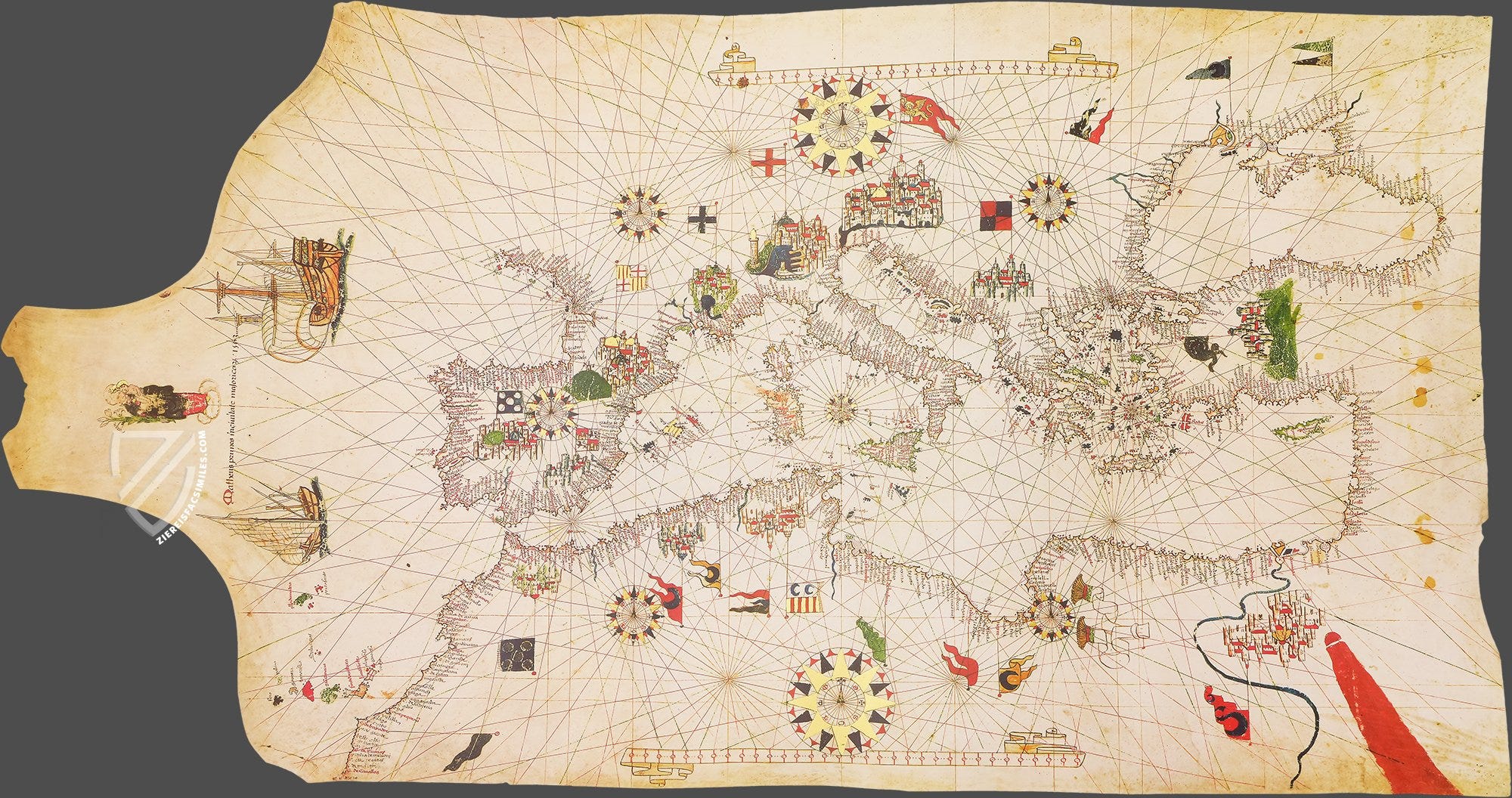
Portolan charts made navigation much more systematic. Beginning in the thirteenth century, mariners used increasingly accurate coastal maps that showed harbors, capes, distances, and compass bearings. Their distinctive networks of rhumb lines allowed captains to plot courses by direction rather than relying entirely on visible landmarks.
These charts were practical tools rather than theoretical maps. Chartmakers compiled information gathered from generations of sailors and continually refined it through experience. Combined with the magnetic compass, they allowed captains to estimate direction and distance with greater confidence.
That reduced one of the basic risks of maritime commerce: uncertainty about getting ships and cargoes safely from one port to another. Better navigation made route planning more reliable and helped merchants organize voyages and convoys on tighter schedules.
The result was a more integrated Mediterranean trading system. Ships could move between commercial centers more regularly, allowing merchants to coordinate trade across greater distances and with less dependence on individual pilots who possessed highly localized knowledge.
Genoa and Venice became major centers for both the production and use of portolan charts. Their chartmakers and sailors continually improved the accumulated knowledge behind them. These practical advances in navigation later contributed to further developments in European cartography and maritime expansion.

Paper production
Writing was expensive in medieval Europe. Scribes relied primarily on parchment made from animal skins, which required considerable labor and raw material to produce. That limited how cheaply governments, merchants, scholars, and others could create and preserve written records.
Italian papermakers helped change this by improving and mechanizing paper production. The commune of Fabriano became particularly important. Its mills used water-powered hammers to break down rags into pulp, replacing much of the manual labor required in earlier production methods.
Papermakers also improved the product itself. They adopted moulds that produced the characteristic lines visible in laid paper, used gelatin sizing to create a better writing surface, and introduced watermarks that identified individual makers or mills. Together, these improvements made it possible to produce large quantities of relatively standardized paper at much lower cost than parchment.
Cheaper paper had effects far beyond the paper industry.
Merchants could keep more contracts, correspondence, and accounting records.
Notaries and governments could create larger archives.
Scholars and scribes could reproduce more texts.
As Northern Italy’s Commercial societies grew more complex, inexpensive paper provided the physical medium for the enormous amount of information they needed to record and exchange.
Paper also made several later innovations easier to scale. More extensive bookkeeping and bureaucratic record-keeping depended on abundant writing material, while the later spread of printing would have been far more difficult if books still depended primarily on expensive parchment.
Fabriano’s papermakers were especially important in developing these techniques, but their methods did not remain local. They spread through Italy and eventually into other parts of Europe. What began as improvements in manufacturing helped provide the information infrastructure needed by increasingly sophisticated commercial and urban societies.
Textile manufacturing
Water-powered textile manufacturing did not begin with the Industrial Revolution in Britain. Northern Italian producers were using water power to process cloth centuries earlier. Textile manufacturing provides an especially clear example of how Northern Italy’s Commercial societies combined technological innovation with new forms of economic organization.
Before mechanization, fulling and other stages of textile production depended heavily on manual labor. Workers had to beat and clean cloth by hand, making the process slow, expensive, and difficult to expand. Water-powered mills replaced much of that physical labor with machinery.
Fulling mills used flowing water to drive heavy wooden hammers that repeatedly pounded wool cloth. This cleaned the fabric and tightened its fibers while allowing far more cloth to be processed with less labor. Over time, mechanical assistance was also applied to other stages of textile production, including carding, spinning, and dyeing.


The result was higher productivity and greater scale. Producers could process larger quantities of cloth at lower cost, making it easier to supply both domestic markets and long-distance trade.
Mechanization also encouraged textile production to cluster around locations with reliable water supplies. Mills required substantial fixed investments, access to rivers or canals, maintenance, and agreements over water rights. Around them developed networks of merchants, artisans, dyers, finishers, and other specialized producers.
This combination of machinery and specialization helped Northern Italy develop some of Europe’s most important textile industries. Florence and Prato became major centers in Tuscany, while textile production also expanded across parts of Lombardy.
The significance went beyond textiles. Northern Italians were already using water power, specialized labor, concentrated production, and large commercial networks to increase manufacturing output hundreds of years before industrialization in Britain.

Silk culture and manufacturing
For centuries, China dominated both sericulture, the raising of silkworms, and the manufacture of silk cloth. Italians gradually acquired this knowledge and adapted it until Northern Italy became Europe’s leading center of silk manufacturing.
Silk had been known in Italy since antiquity, but between the thirteenth and sixteenth centuries it became the basis of a major industry. Cities such as Lucca, Venice, and Como developed increasingly sophisticated systems for raising silkworms, reeling silk from cocoons, twisting it into thread, and weaving it into finished cloth.
Producing silk required coordinating several specialized activities.
Mulberry trees had to be cultivated to feed silkworms.
Cocoons had to be harvested at the right moment and reeled into delicate filaments.
Those filaments then had to be twisted into usable thread before
Weavers turn thread into finished textiles on specialized looms.
Northern Italian cities organized these stages into networks of specialized producers. Guilds established quality standards, merchants coordinated production and trade, and workshops concentrated on particular stages of the process. Raw materials, intermediate goods, and finished cloth could therefore move through a much larger system rather than being produced entirely within a single household or workshop.
Silk was particularly valuable because it generated large revenues from a relatively small quantity of material. Luxury fabrics could be sold to wealthy consumers across Europe, creating profits for merchants while supporting highly skilled workers in weaving, dyeing, embroidery, and related crafts.
The industry also diversified Northern Italy’s Commercial economies. Cities did not have to depend on a single export or manufacturing sector. Silk joined wool, finance, and long-distance trade as another source of income, employment, and capital accumulation.
Lucca became especially famous for silk weaving, while Venice and Como later developed major industries of their own. The spread of mulberry cultivation and sericulture techniques made that growth possible, but the larger achievement was organizational. Northern Italians took a complex technology acquired from elsewhere and built a large, specialized commercial industry around it.
Commercial finance
Long-distance trade was difficult when merchants had to move large quantities of coin from one city to another. Coins could be stolen or seized, and few individual merchants had enough capital to finance major trading ventures on their own.
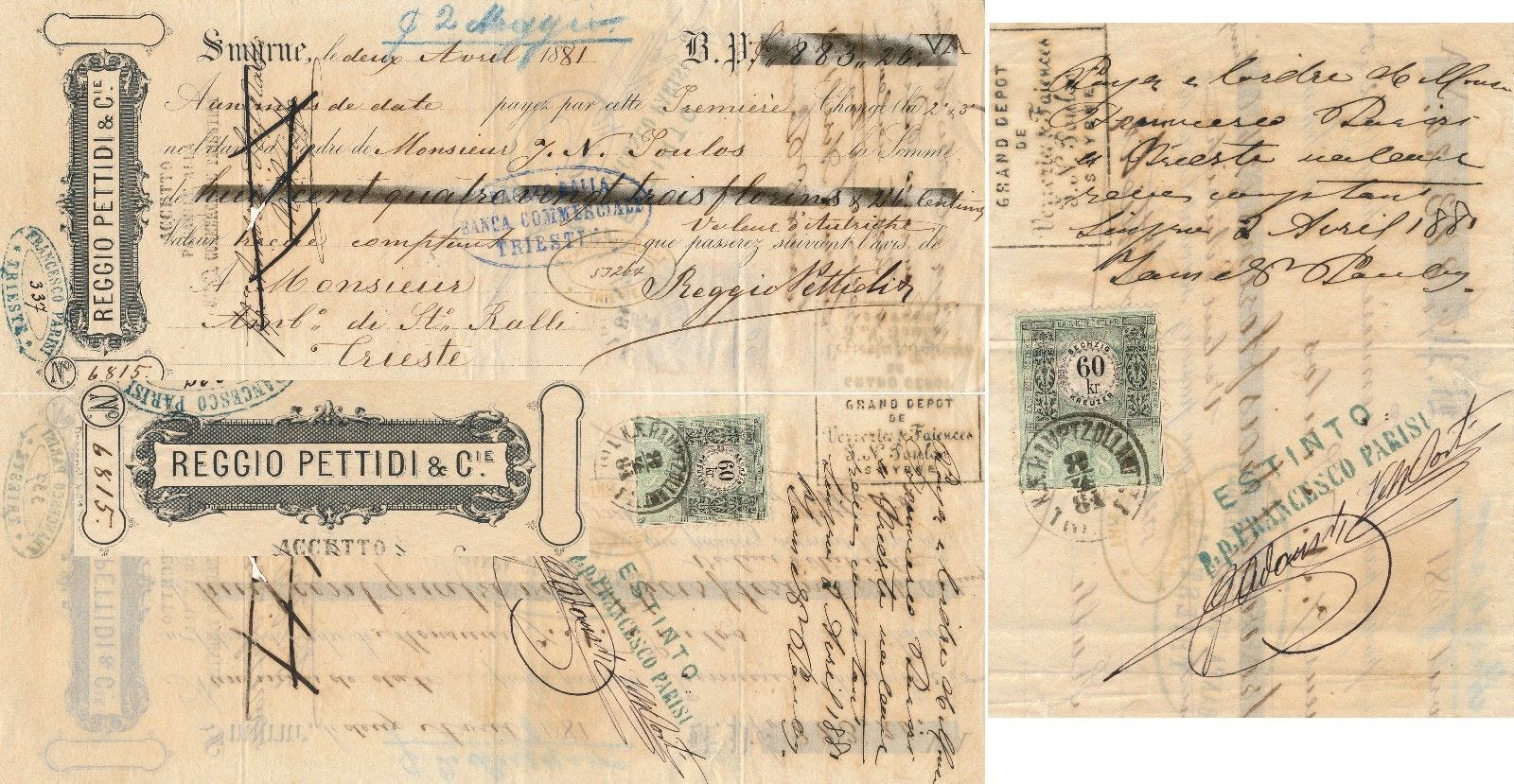
Northern Italian merchants developed financial instruments that solved both problems. Two of the most important were the commenda contract and the bill of exchange e. Together, they made it easier to pool capital, extend credit, and move money across long distances without physically transporting it.
Commenda contracts
The commenda allowed investors and traveling merchants to divide the risks and responsibilities of a trading venture. An investor supplied most or all of the capital, while another merchant traveled with the goods and conducted the trade. The contract specified in advance how the profits would be divided.
This arrangement allowed wealthy investors to finance commerce without personally making dangerous voyages. At the same time, skilled merchants who lacked substantial capital could participate in long-distance trade using someone else’s money. By separating capital from management, the commenda expanded the number and scale of commercial ventures that could be undertaken.
Bills of exchange
Bills of exchange solved a different problem. Instead of carrying coins between cities, merchants could settle debts through networks of bankers and agents. A merchant could make a payment in one city and arrange for a corresponding payment to be made elsewhere. The obligation traveled on paper while the actual coins could remain where they were.
That reduced the risks and costs of transporting money. It also expanded the use of credit because merchants no longer had to settle every transaction immediately with specie.
These instruments depended on innovations discussed earlier. Written contracts, professional notaries, reliable commercial law, and inexpensive paper made complex financial agreements easier to document and enforce. Financial innovation therefore built on the broader institutional infrastructure of Northern Italy’s Commercial societies.
Florence and Genoa became important centers for these practices, while Tuscan and Lombard merchants helped refine and spread them. By allowing capital and credit to circulate more freely, commercial finance made long-distance trade easier to organize and provided part of the financial foundation for the increasingly large commercial networks that connected Northern Italy with the rest of Europe and the Mediterranean.
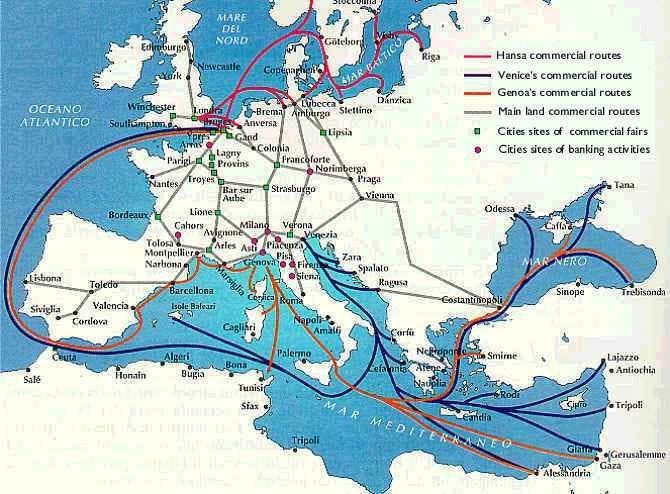
Maritime credit networks
A single successful voyage could make a merchant wealthy, but maritime trade was filled with risks. Ships could sink, cargoes could be seized, markets could turn against the trader, and merchants operating far from home needed reliable access to money and trusted representatives.
Genoa and Venice responded by building extensive maritime credit networks. Rather than treating each voyage as an isolated venture, merchants connected partnerships, credit agreements, banks, agents, and correspondents across multiple ports.
A merchant in one city could rely on an agent elsewhere to receive goods, extend credit, arrange payments, or finance another stage of a voyage. Merchant houses maintained relationships with correspondents throughout the Mediterranean, allowing them to conduct business without having a family member physically present in every port.
These networks built on the financial innovations already discussed. Partnership agreements pooled capital. Bills of exchange moved credit between cities without requiring large shipments of coin. Banks and merchant houses advanced money against goods or expected payments. Together, these tools made financing available throughout a trading network rather than only at the voyage’s point of origin.
That made maritime commerce more predictable and easier to repeat. Merchants could finance larger ventures, spread capital across multiple voyages, and maintain trading relationships over long distances. Instead of assembling financing and commercial contacts from scratch each time, they could operate through durable networks.
This was especially important as Italian merchants expanded beyond the central Mediterranean into the Black Sea and the Levant. Greater distances required more capital, more intermediaries, and more reliable coordination among people who might rarely meet face to face.
Genoese and Venetian merchant houses became particularly skilled at building these networks. Prominent Genoese families such as the Spinola and Grimaldi developed commercial and financial relationships that extended across cities and ports. The result was not simply more credit. It was a financial infrastructure that allowed maritime trade to operate continuously and at much greater scale.
Institutionalizing decentralized power
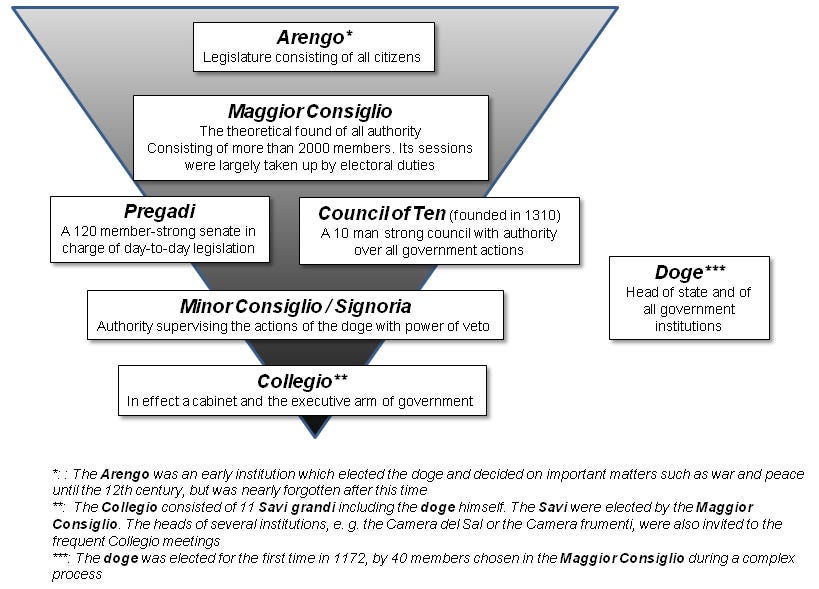
Venice developed one of Northern Italy’s most distinctive political systems. While other city-states repeatedly struggled with coups, factional violence, and domination by powerful families, Venice built institutions designed to prevent any one person or faction from gaining too much power.
This system did not emerge all at once. Early Venice, like other Italian communes, faced competition among powerful families and political factions. The Doge originally exercised substantial personal authority, but repeated conflicts convinced Venetians that executive power needed stronger limits.
Their solution was to divide authority among multiple institutions. The Doge remained head of state, but he governed alongside councils whose overlapping powers made unilateral action difficult.
The Great Council became the central political body. After the “Serrata.” of 1297, membership became increasingly restricted to hereditary patrician families. From this political elite came the Senate, which dealt heavily with foreign policy and finance, and later the Council of Ten, created after a failed coup in 1310 to protect the security of the republic.
Even the Doge operated under tight constraints. Ducal councillors could block his actions, and major decisions required the participation of other governing bodies. Venice also developed an extraordinarily complicated method for electing doges and other officials, combining voting with the drawing of lots to make it harder for any faction to control the process.
The result was not democracy in the modern sense. Political power remained concentrated among a relatively small patrician elite. The innovation was the way that local elites divided power among itself and created institutions that made permanent domination by a single family more difficult.
That produced unusual political continuity. Florence, Milan, Genoa, and other Italian states experienced repeated changes in regimes and ruling factions. Venice preserved its republican institutions for centuries.
For a Commercial society, that stability had important economic consequences. Merchants making long-term investments benefited from predictable institutions, while the state could concentrate on trade, naval power, and expansion throughout the Adriatic and eastern Mediterranean rather than continually rebuilding its political order.
Public debt
Warfare, fortifications, and public works required far more money than cities could reliably raise from current taxes. Italian city-states therefore developed more systematic ways to borrow from their own citizens.
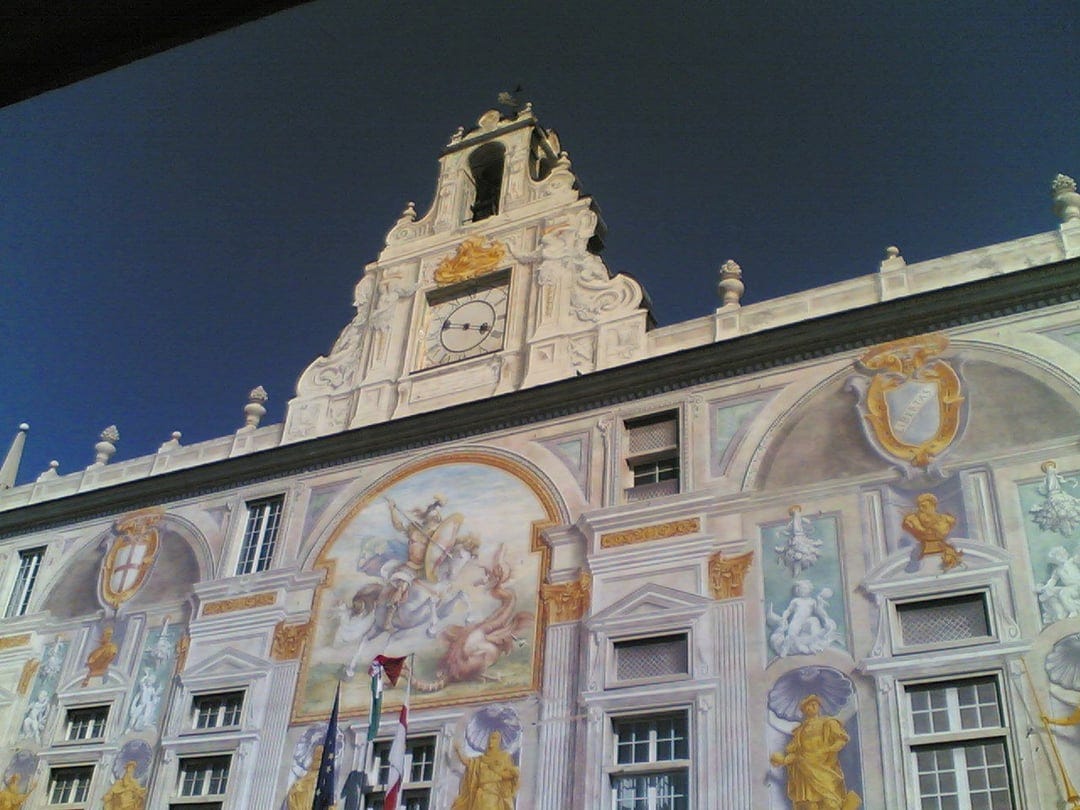
Genoa and other cities began pledging future tax and customs revenues against public loans. Instead of negotiating a new loan with a few creditors whenever money was needed, governments consolidated borrowing into organized funds, often known as monti. Creditors received claims that paid regular interest and could sometimes be transferred to others.
This gave governments access to much larger pools of private capital. A wealthy Commercial society could effectively turn the savings of its citizens into financing for wars, defenses, and infrastructure.
Public debt also created a new relationship between governments and investors. Creditors now had a direct financial stake in the government’s ability to collect taxes and honor its obligations. This could strengthen the city’s borrowing capacity, but it also created recurring political conflicts over taxation, repayment, and the interests of creditors.
Genoa was an early leader in developing these arrangements, with Florence and Venice adopting related systems. Public debt became another way the Italian city-states converted accumulated private wealth into greater state capacity.
Ship construction
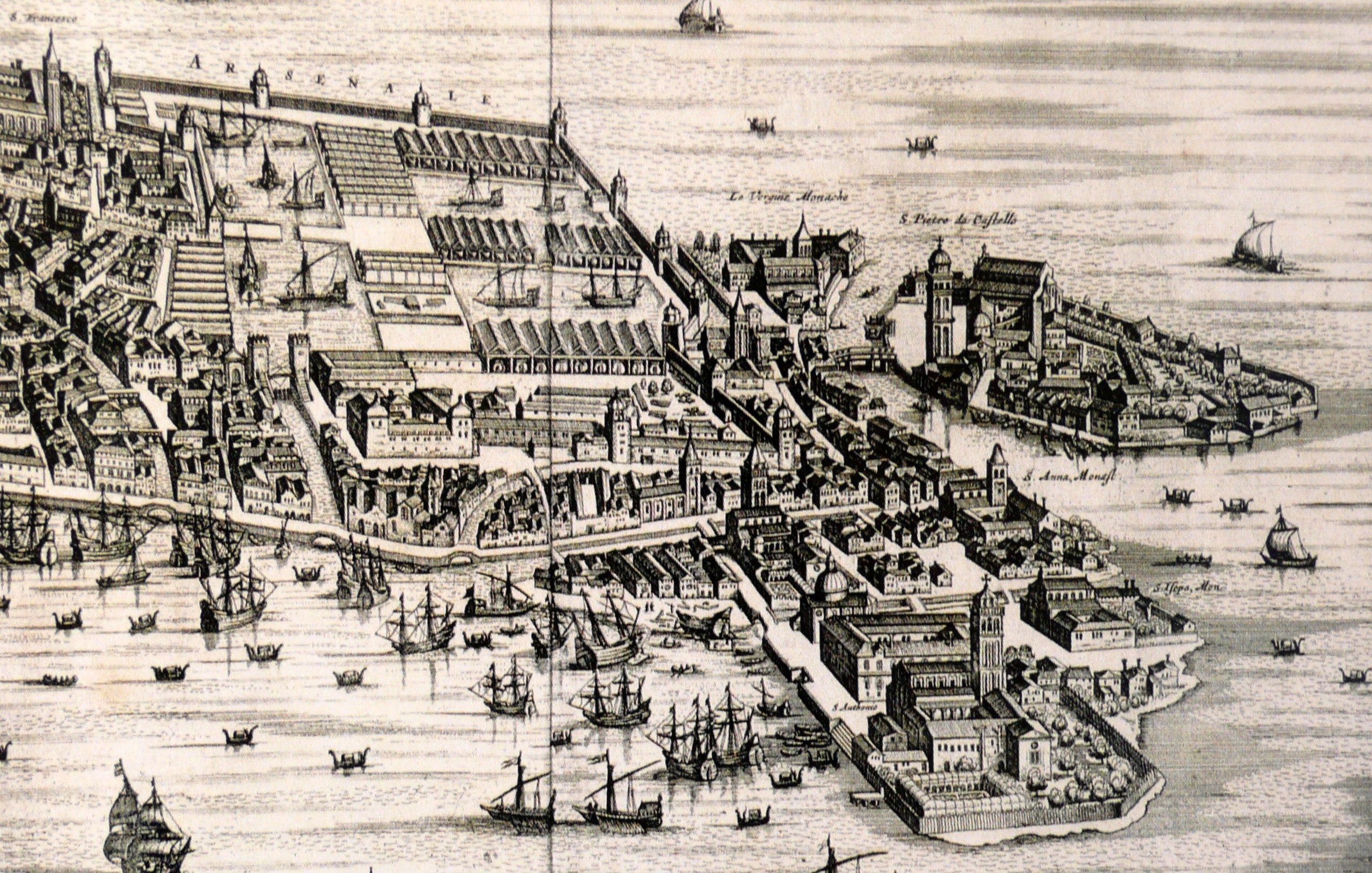
A trading power needed large numbers of cargo ships and a navy strong enough to protect them. Venice met that challenge with the Arsenal, one of the largest industrial complexes of the pre-industrial world.
Before the Arsenal, shipbuilding was scattered among small workshops and could be slow and difficult to coordinate. Venice instead concentrated timber processing, construction, outfitting, and repair in a single state-controlled complex.
The Arsenal relied on specialized workers, standardized components, organized supply chains, and sequential stages of production. Water-powered saws and other machinery increased productivity, while the concentration of skilled labor made it possible to build and equip ships far more quickly.
This gave Venice an enormous strategic advantage. It could maintain a large merchant fleet, replace naval losses, and mobilize warships faster than rivals whose shipbuilding remained decentralized.
The Arsenal was therefore more than a shipyard. It was an early example of large-scale, specialized manufacturing, showing how organization and standardization could dramatically increase industrial output.

Mercenary companies
Wealth meant little if a city could not defend itself. Northern Italy’s prosperous but relatively small city-states were tempting targets for larger powers with far more manpower.
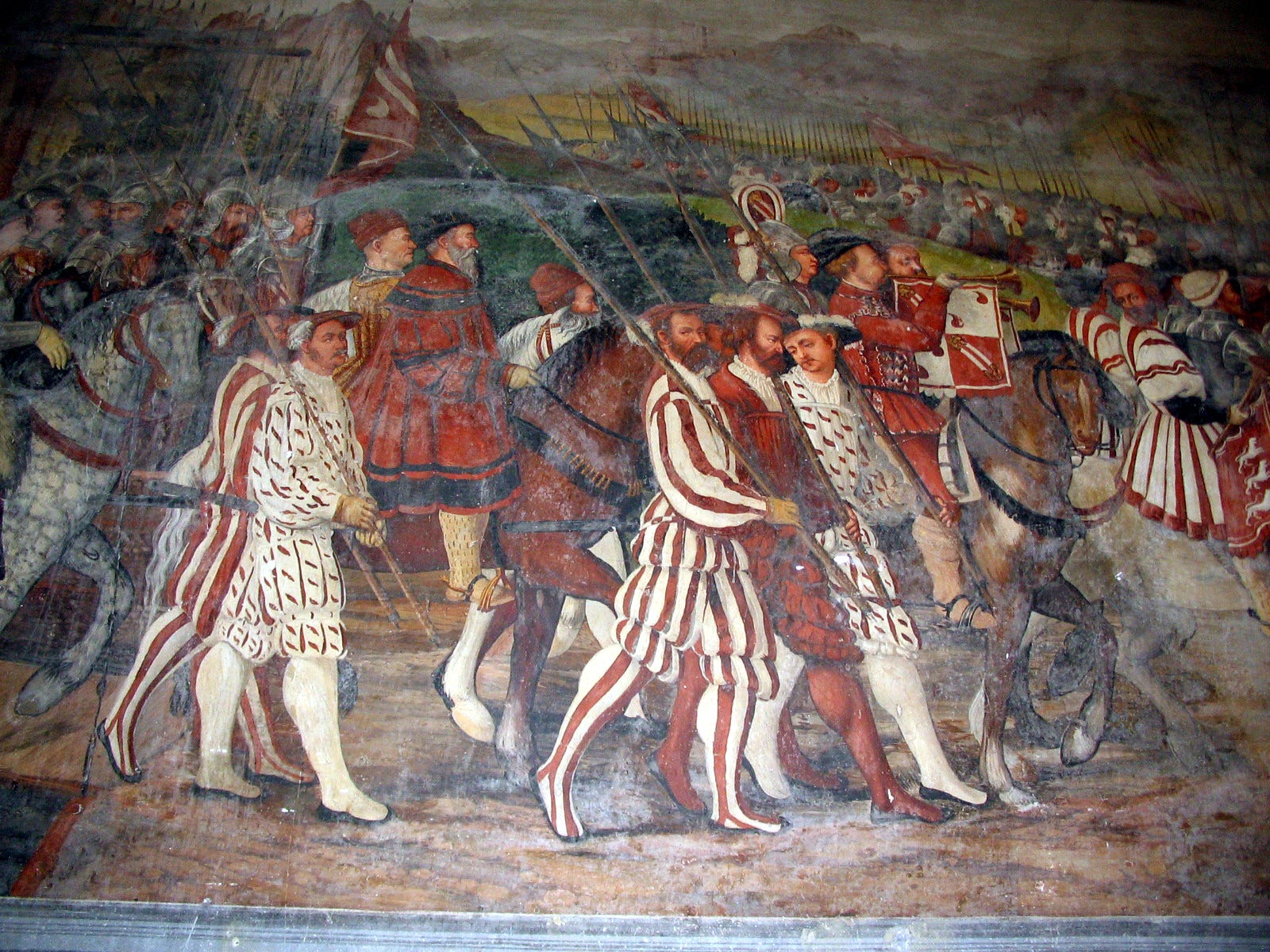
Their solution was increasingly to buy military power. Instead of relying primarily on feudal levies or citizen militias, cities hired professional mercenary captains known as condottieri. Contracts called condotte specified the number of troops, pay, length of service, and other obligations.
The condottieri maintained organized companies of soldiers and sold their services to competing states. This gave cities access to experienced forces without supporting large permanent armies in peacetime. It also created a competitive market for military skill.
The system had obvious risks. Mercenary captains could change employers when contracts expired, and successful commanders sometimes converted military power into political power. Francesco Sforza, for example, rose from condottiero to Duke of Milan.
Other famous commanders included John Hawkwood, who served Florence. Their careers show how Northern Italy’s Commercial societies applied contracts and markets not only to trade and finance, but even to warfare.

Civic clock towers
Before mechanical clocks, urban life was organized around church bells, sundials, and the traditional hours of the day. These methods worked, but they were not precise enough for increasingly busy Commercial societies.
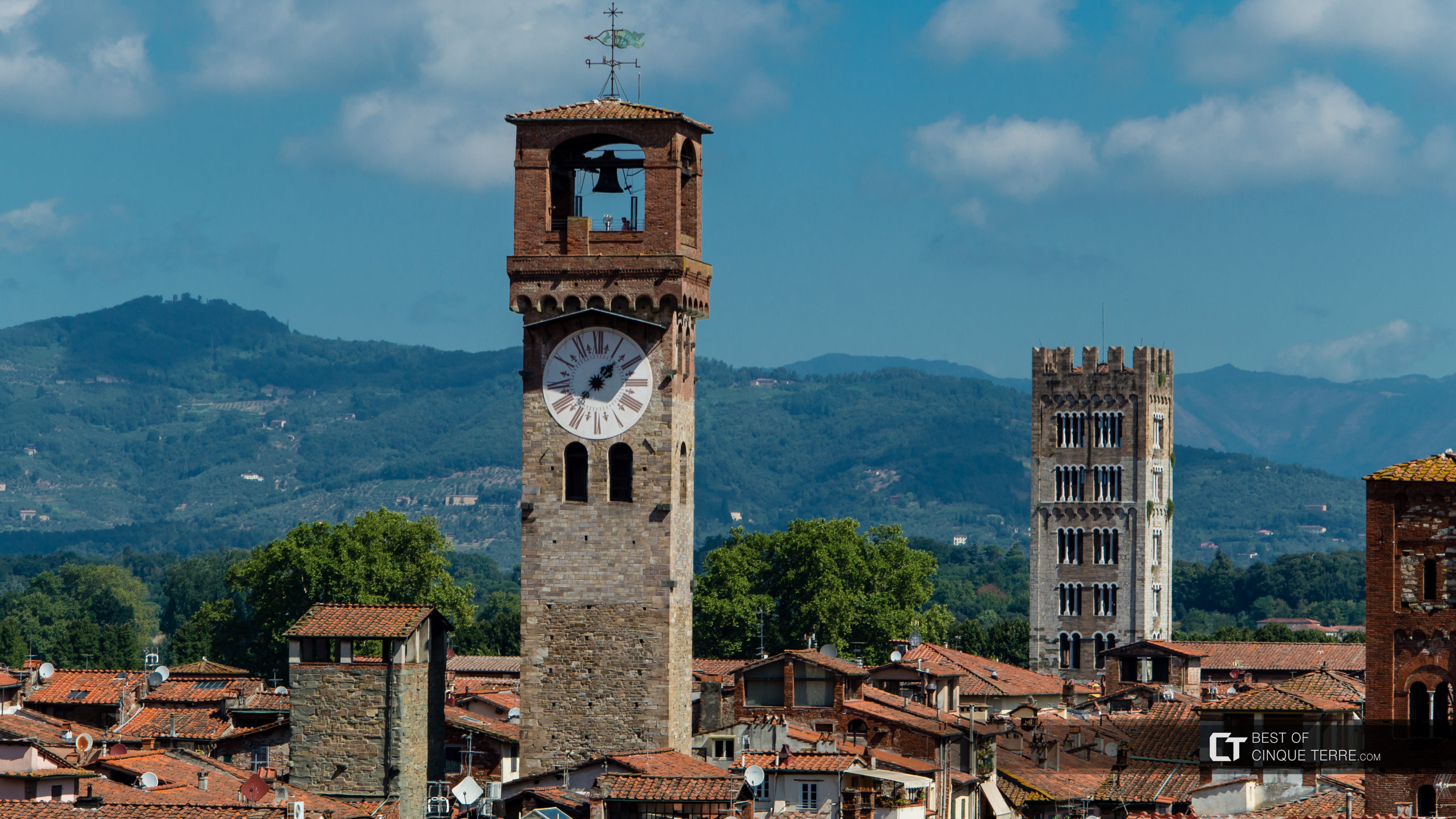
Beginning in the fourteenth century, Italian cities installed mechanical clocks in prominent public towers. Weights, gears, and escapements drove the mechanisms, while bells announced the hours across the city.
Public clocks gave merchants, artisans, officials, and guilds a shared measure of time. Markets could open at fixed hours, workshops could organize labor more precisely, and governments could schedule civic activities with greater consistency.
Pisa, Padua, and Florence were among the cities that installed important public clocks. The towers also became symbols of civic prestige, combining a practical innovation with the competitive display that characterized the Italian city-states.
Banking
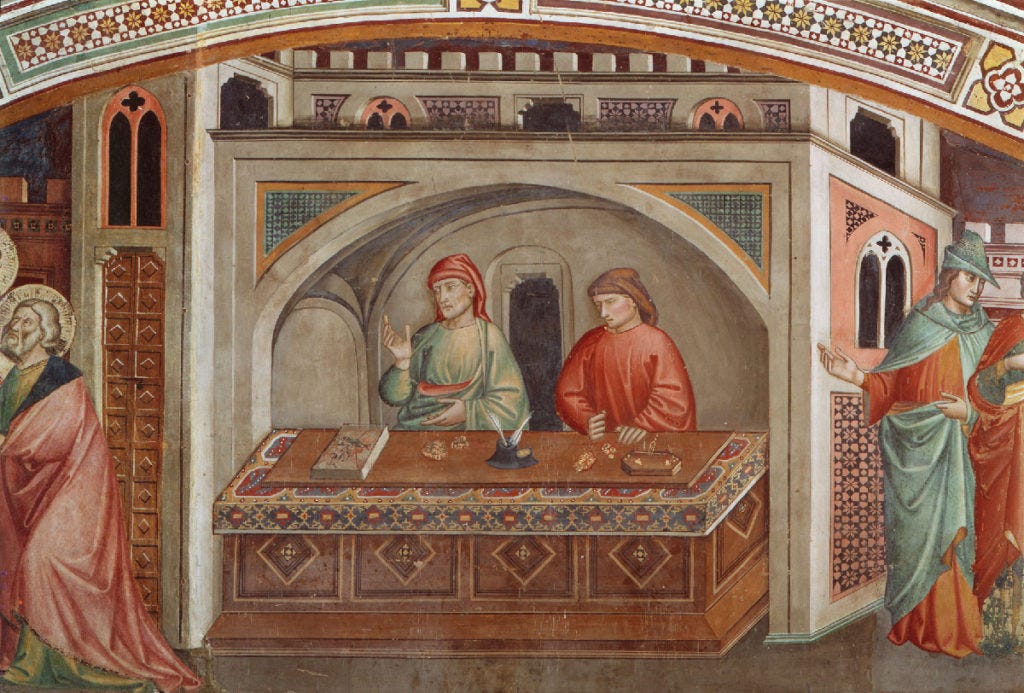
Early merchant credit was often based on personal relationships and individual deals. By the fifteenth century, Northern Italian banking houses were turning those scattered arrangements into much larger financial organizations.
The Medici Bank became the most famous example. It operated through branches in major commercial centers, accepted deposits, extended credit, financed trade, and used bills of exchange to move funds between cities. Similar techniques had been developed earlier by banking families such as the Bardi and Peruzzi.
These banks made it possible to mobilize far more capital than individual merchants could manage on their own. They financed merchants, governments, princes, and the papacy while connecting financial markets across Europe.
Banking also became closely tied to political power. The Medici used their financial relationships to expand their influence in Florence and beyond, although lending to powerful rulers and institutions also exposed banks to large losses when borrowers failed to repay.
Florence was the leading center of this development, but Genoa and Venice also built sophisticated banking systems. Together, these institutions helped turn finance into a large-scale, international business. As with so many other domains, much of the rest of Europe copied Italian banking practices.
Construction engineering
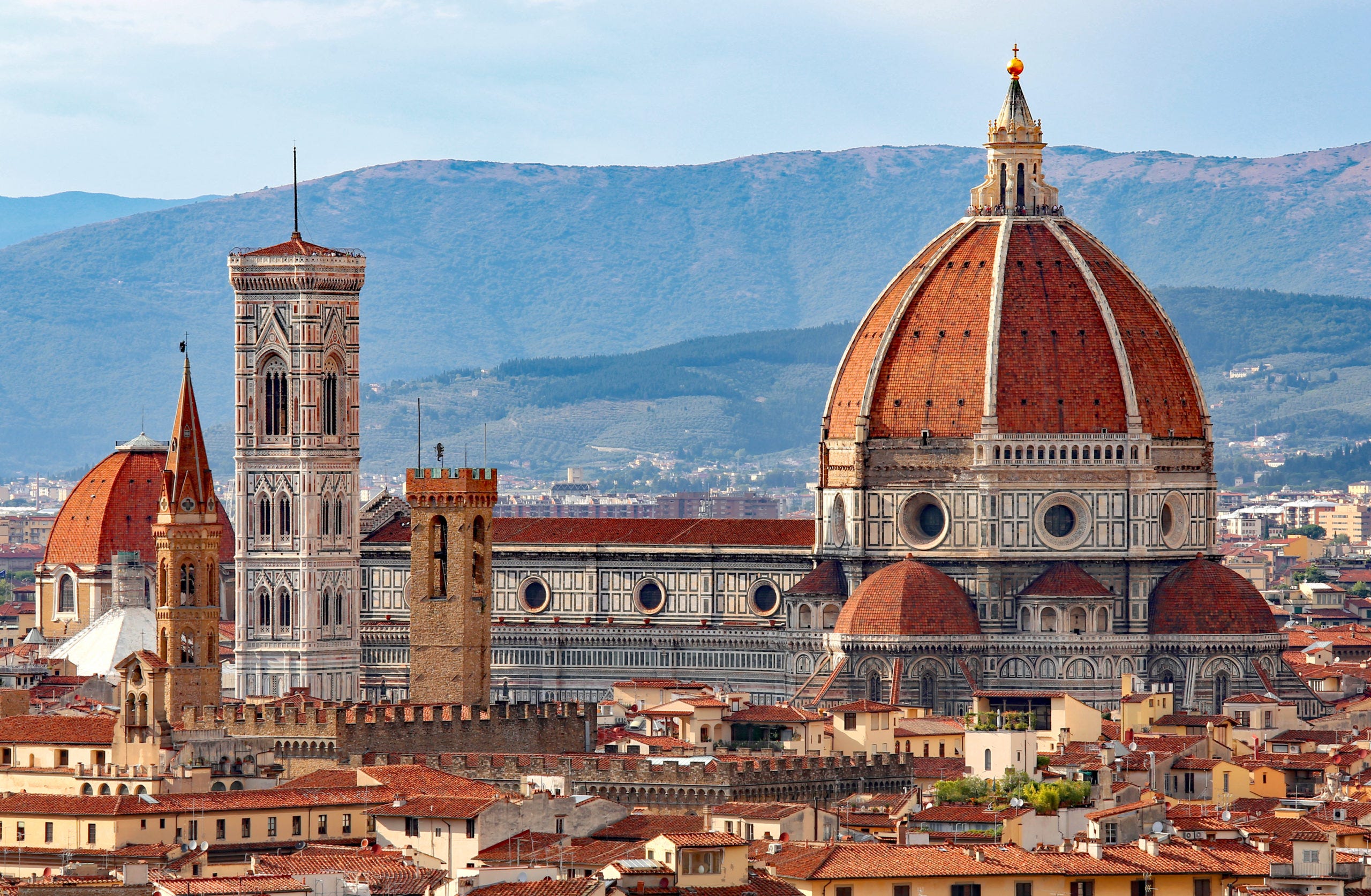
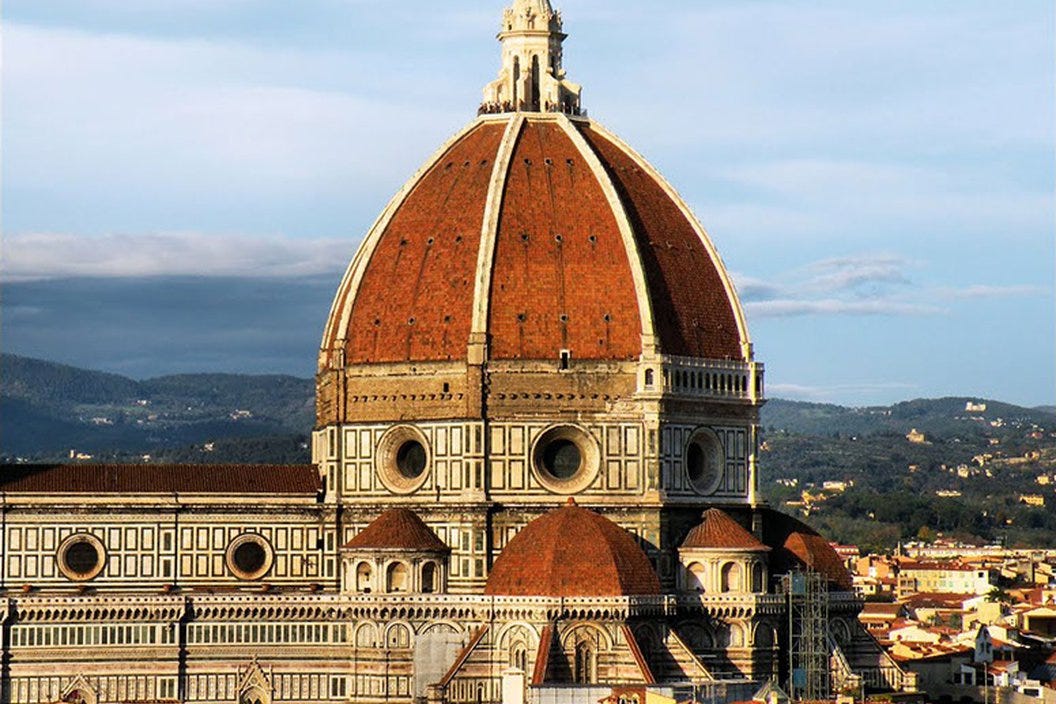
Brunelleschi’s dome in Florence (shown above) was one of the great engineering achievements of the Renaissance. The problem was simple to state but extraordinarily difficult to solve: Florence had built a cathedral with an enormous opening for a dome, but existing construction methods could not easily span it.
Large masonry domes normally depended on temporary wooden centring to support them during construction. For Florence’s cathedral, building such a structure would have required enormous quantities of timber and created major technical problems.
Filippo Brunelleschi found another solution. He designed a double-shell dome, used herringbone brickwork and structural rings to help stabilize the masonry, and developed specialized hoists and reversible winches to move heavy materials high above the city.
These innovations allowed the dome to rise largely without traditional full-scale centring. They reduced the amount of timber required while making possible a structure of extraordinary size.
The achievement demonstrated how practical experimentation, mechanics, geometry, and new machinery could solve construction problems that earlier techniques could not. Brunelleschi’s dome became both a symbol of Florence’s civic ambitions and an influential model for later Renaissance architecture and engineering.
Military fortification
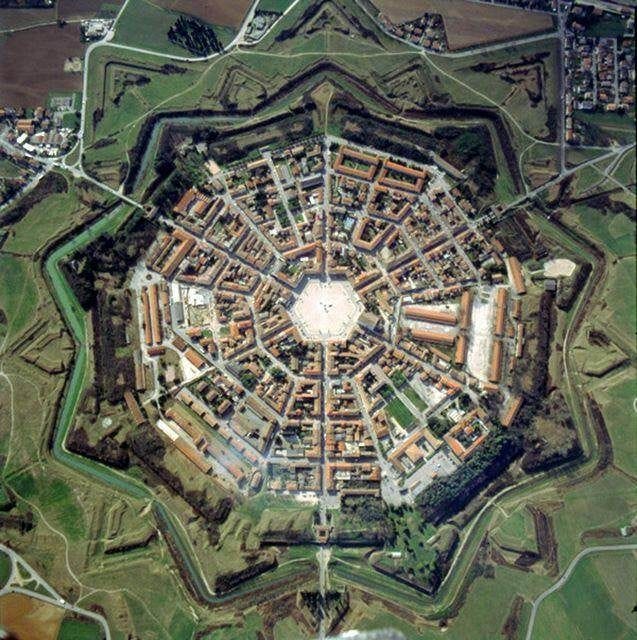
The French invasion of Italy in 1494 exposed a dangerous new reality. Powerful monarchies could now field large armies equipped with artillery capable of smashing the high medieval walls that had protected Italian cities for centuries.
Italian engineers responded by redesigning fortifications around gunpowder warfare. Instead of tall, thin walls, they built lower and thicker defenses backed by earthworks that could better absorb cannon fire.
They also introduced angled bastions that projected outward from the walls. Defenders could fire along the face of neighboring walls, eliminating blind spots where attackers had previously been able to gather safely. Over time, these ideas developed into the distinctive star-shaped fortifications sometimes called the Italian trace.
The consequences were enormous. Cities with modern fortifications became much harder to capture, while older defenses quickly became obsolete. Building and defending these systems also required more engineers, artillery, money, and administrative capacity.
Italian engineers such as Francesco di Giorgio Martini and Michele Sanmicheli helped develop and spread these techniques. Milan, Venice, and other states invested heavily in the new defenses, which were soon copied across Europe.
Linear perspective
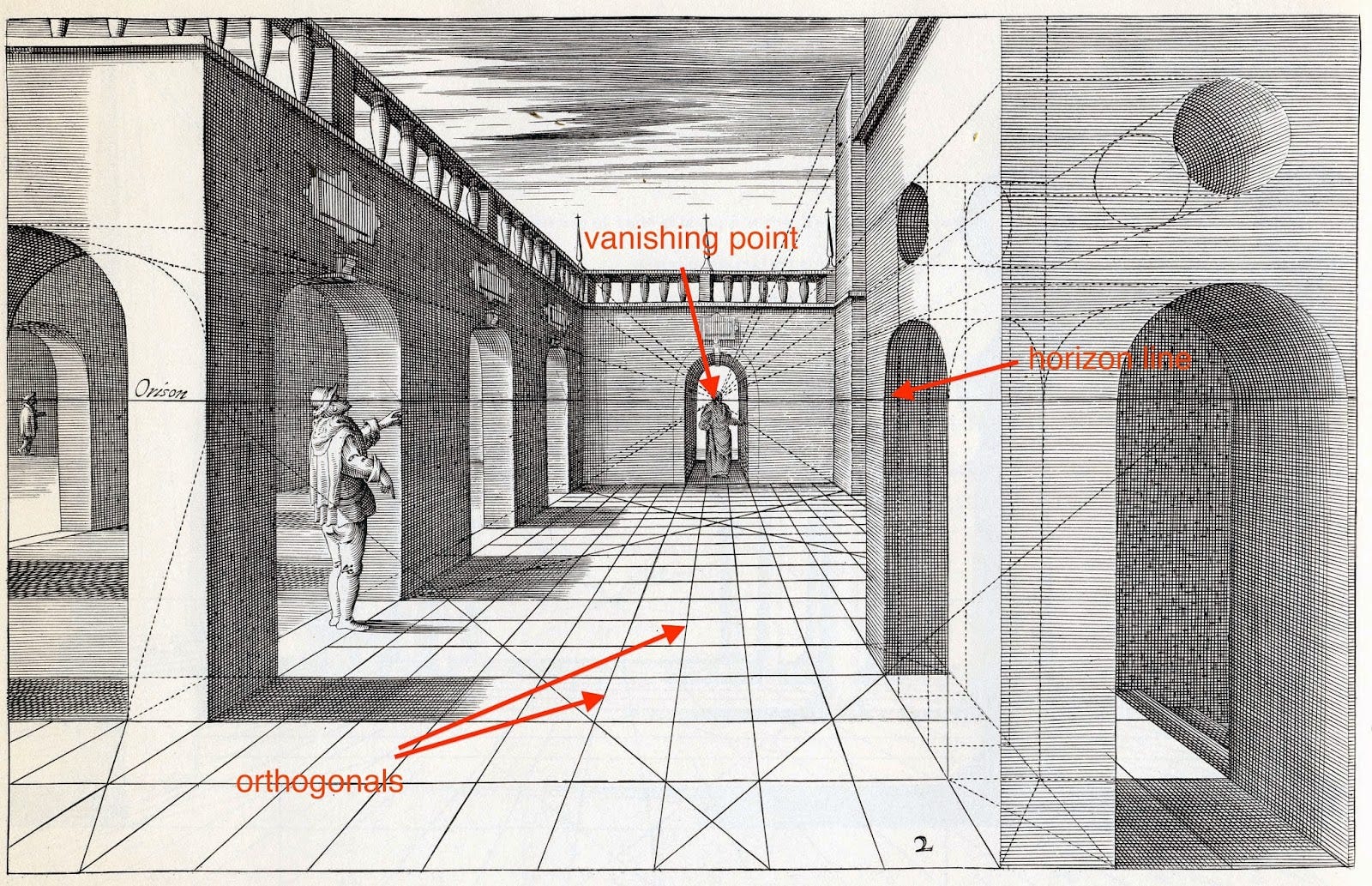
Before the fifteenth century, European artists could suggest depth, but they lacked a consistent mathematical method for representing three-dimensional space on a flat surface.
Filippo Brunelleschi and Leon Battista Alberti helped change that by formalizing linear perspective. Using a horizon line, vanishing point, and converging orthogonals, artists could construct scenes in which objects appeared to recede through space according to consistent geometric rules.
The effect was dramatic. Paintings gained a new sense of depth and realism, while artists could organize complex scenes more clearly and convincingly.
Perspective also reflected a broader Renaissance interest in observation, geometry, and proportion. The same principles influenced architecture and stage design as well as painting.
Florence became the main center of the innovation. Brunelleschi pioneered early experiments, Alberti explained the method in writing, and artists such as Masaccio and Piero della Francesca pushed it further.
Printing industry
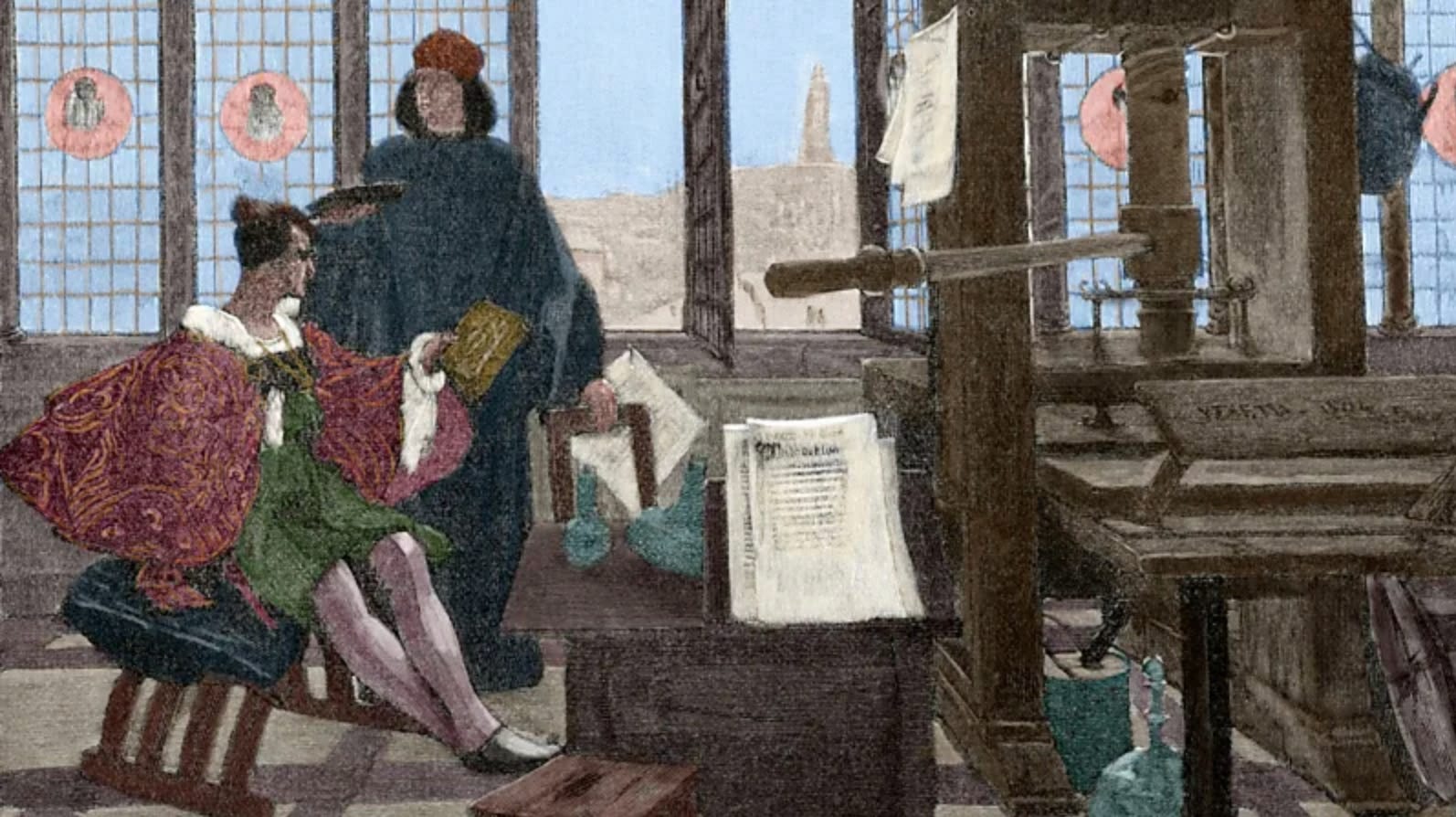
Northern Italy did not invent movable-type printing, but it quickly became one of the centers of the new industry. Venice in particular turned printing from a recent invention into a large commercial business.
Movable type allowed printers to produce many identical copies of a text far more quickly than scribes could copy manuscripts by hand. That lowered the cost of books and greatly expanded the circulation of written material.
Venetian printers also improved the product. Aldus Manutius introduced smaller, more portable book formats, helped popularize italic type, and produced carefully edited editions of classical and humanist texts.
The consequences reached far beyond literature. Cheaper, more standardized texts made it easier to spread legal, commercial, scientific, theological, and philosophical knowledge across Europe.
Venice became the leading Italian center of printing, building on Gutenberg’s earlier breakthrough in Germany and refining it into a sophisticated publishing industry.

Double-entry bookkeeping
As merchant firms grew larger, simple records were no longer enough. Owners needed a reliable way to track money moving through many transactions, branches, debts, and partnerships.
Double-entry bookkeeping provided that system. Each transaction was recorded twice, as a debit and a credit, creating a self-balancing set of accounts. This made errors easier to detect and gave merchants a clearer picture of assets, liabilities, income, and expenses.
Italian merchants had used versions of the method before Luca Pacioli described it in his 1494 Summa de Arithmetica. His importance was in clearly explaining and standardizing practices that were already developing in places such as Florence and Venice.
Better accounting made larger and more complicated firms easier to manage. Bankers could monitor branches, merchants could evaluate profits and losses, and investors could better understand how an enterprise was performing.
Pacioli’s work helped spread double-entry bookkeeping across Europe. Over time, it became one of the basic tools of modern business.
Embassies
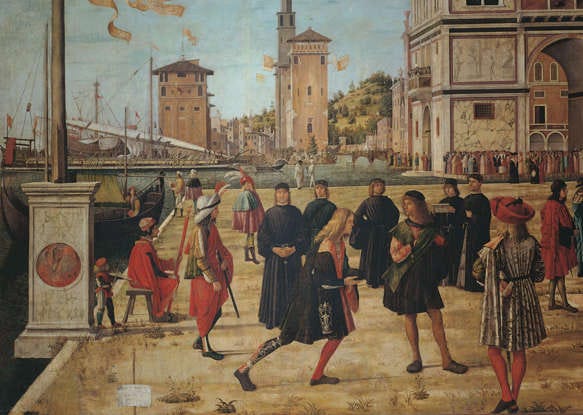
Northern Italy’s small city-states could rarely overpower larger rivals, so diplomacy mattered enormously. Earlier diplomacy was usually temporary, with rulers sending envoys only when a specific dispute or negotiation arose.
Italian states helped replace this with permanent diplomacy. Venice, Milan, and others stationed resident ambassadors at foreign courts, gave them formal instructions, and required them to send regular written reports home.
These ambassadors did more than negotiate treaties. They watched political developments, gathered intelligence, cultivated relationships, and warned their governments about changing alliances or military threats.
Permanent embassies gave states a more continuous flow of information and made foreign policy less dependent on occasional personal missions. For commercial powers such as Venice, this was especially valuable because trade depended on maintaining workable relationships with many different states.
The practice spread across Europe and became one of the foundations of the modern diplomatic system.
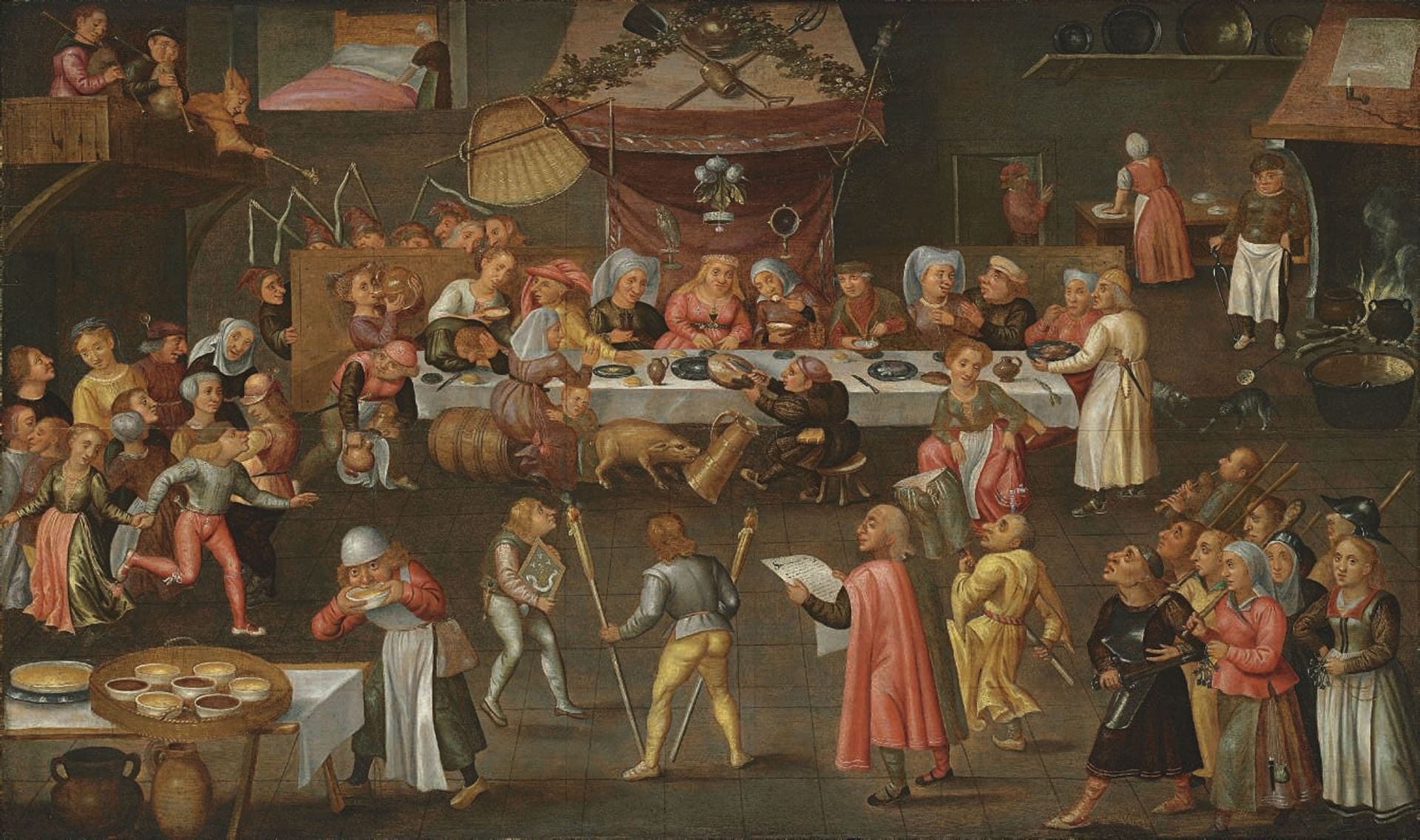
Manufacturing organization
Long before the modern factory, Northern Italian producers were finding ways to organize work on a larger and more specialized scale.
Master workshops, or botteghe, brought together design, production, finishing, and commercial management under one roof. Masters supervised journeymen and apprentices, while complex products were divided among workers with different skills.
Other industries spread production across multiple workshops but coordinated them through merchant-investors. Textiles and shipbuilding often followed this model, with different stages handled in different locations but tied together by a common commercial organization.
These systems increased productivity, preserved specialized knowledge, and made it easier to fulfill large or complicated orders. They also created durable clusters of skilled workers who could train the next generation.
Florence’s textile and goldsmith workshops, Venetian glassmakers on Murano, and large artistic workshops all used variations of this model. Many forms of specialization and coordinated production usually associated with later industrialization were already developing in Northern Italy centuries earlier.
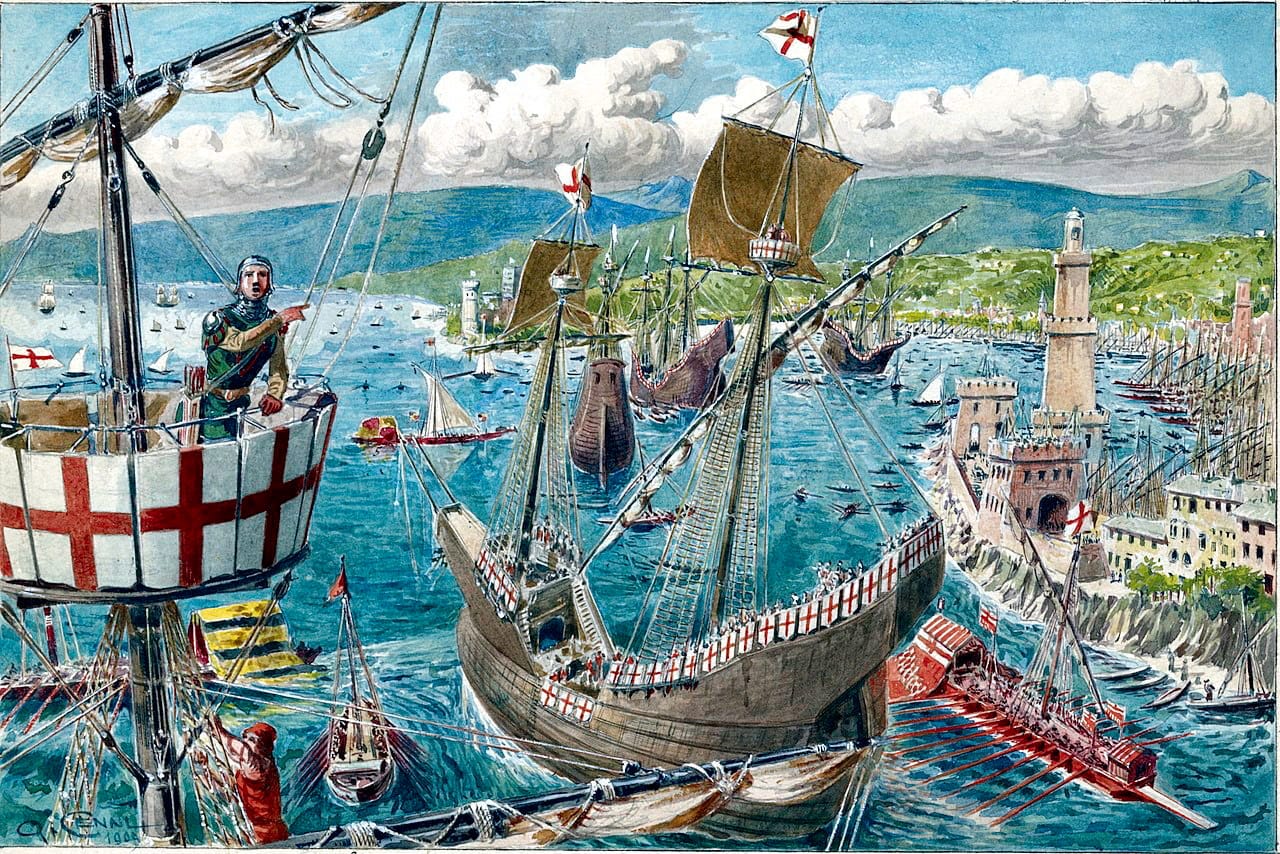
Mercantile insurance
Shipping was profitable, but it was also dangerous. Storms, piracy, theft, and spoiled cargo could wipe out years of accumulated wealth in a single voyage.
Northern Italian merchants developed marine insurance to spread that risk. Instead of forcing one merchant to absorb the full loss of a ship or cargo, insurers agreed to cover specified risks in exchange for a premium.
This made long-distance trade easier to finance. Merchants could commit capital to more voyages without putting their entire business at risk each time, while financiers gained a new way to earn returns by underwriting commercial ventures.
Insurance also fit naturally with the other financial innovations of Northern Italy. Bills of exchange, credit networks, partnership contracts, and insurance all reduced different risks associated with moving goods and money across long distances.
Genoa and Venice became important centers of marine insurance, with merchants and notaries helping formalize and enforce the contracts. The result was a more resilient system of maritime commerce in which risk could be priced, divided, and transferred rather than simply endured.
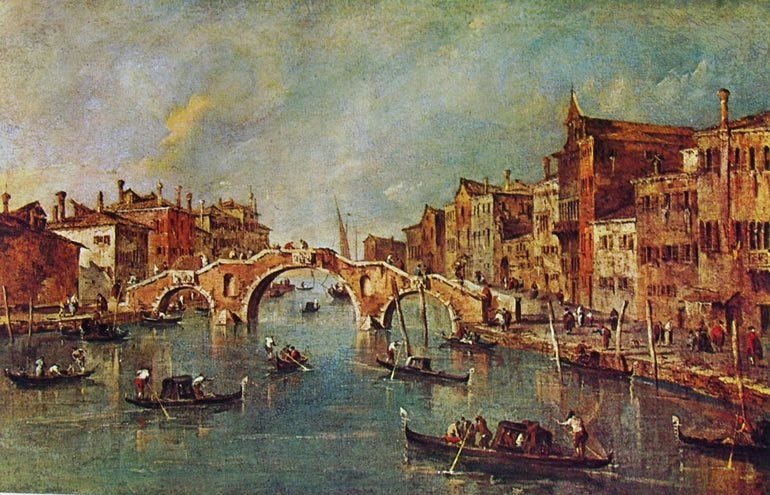
Public works
Northern Italian elites did not spend their growing wealth only on private consumption. They also used it to reshape their cities.
Merchant families, guilds, and governments financed churches, public buildings, festivals, sculptures, and other civic projects. These works displayed wealth and status, but they also served political purposes by strengthening civic identity, legitimizing rulers, and associating patrons with the prosperity of the city.
This patronage created a large market for architects, painters, sculptors, builders, and skilled craftspeople. Competition among cities and wealthy families therefore helped finance experimentation in art, architecture, and engineering.
Florence’s Medici patronage and Venice’s elaborate public pageantry are famous examples. More broadly, the economic surplus generated by Northern Italy’s Commercial societies was repeatedly reinvested in public works and cultural production, helping create the physical and artistic environment we now associate with the Renaissance.
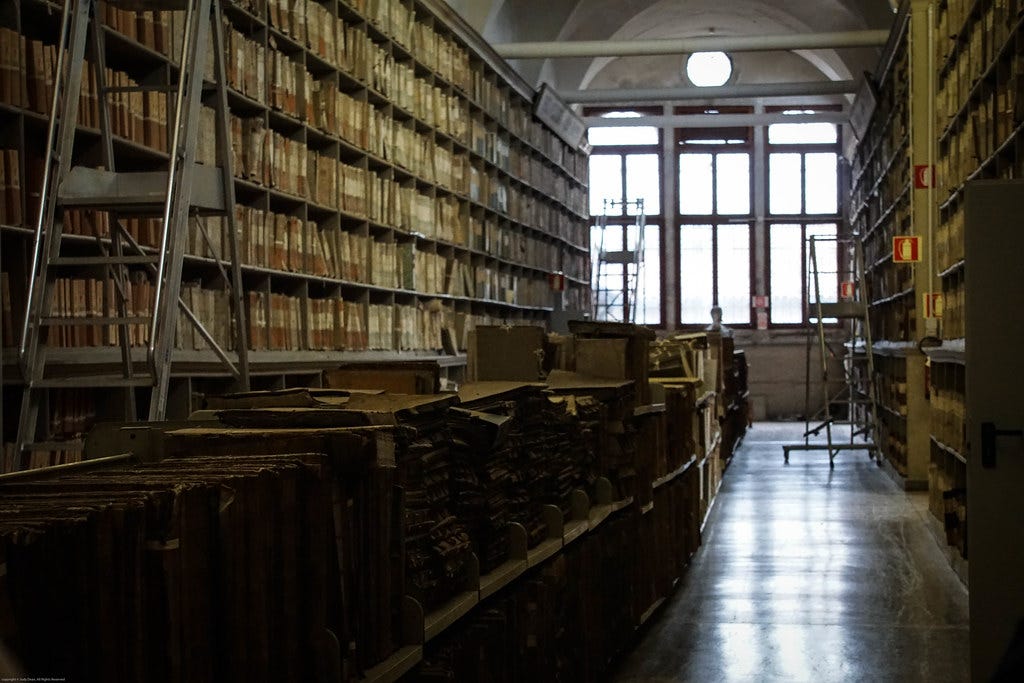
State archives
As Northern Italy’s governments and economies became more complex, they generated far more information than rulers could manage informally. Contracts, taxes, trade, naval activity, and diplomacy all produced records that had to be stored and retrieved.
City-states responded by building centralized archives and more systematic bureaucracies. Chancelleries collected tax rolls, contracts, naval logs, diplomatic dispatches, and other records, while specialized officials organized and indexed them.
Better records increased state capacity. Governments could collect taxes more consistently, plan finances more effectively, and make foreign policy using detailed reports from ambassadors and officials.
Venice and Florence developed especially sophisticated archival systems. These institutions helped make government more continuous and less dependent on the memory or personal knowledge of individual officeholders.
Conclusion
What these innovations had in common was that they made complex Commercial societies easier to organize. They reduced the risks of trade, improved the movement of information and capital, strengthened governments, increased manufacturing capacity, and helped cities coordinate activities on a much larger scale.
Northern Italy did not invent every one of these ideas. Its distinctive achievement was to combine, refine, and institutionalize them in unusually dense and competitive urban economies. That combination helped make the region one of Europe’s most dynamic centers of commerce, finance, manufacturing, government, and culture.
Many of these innovations then spread beyond Italy. European states, merchants, bankers, manufacturers, diplomats, and artists adopted Italian practices and adapted them to their own needs. In that sense, the Renaissance city-states were important not only because of what they created at home, but because they helped build institutions and techniques that later became common across much of Europe.
Bibliography
If you are interested in reading more secondary resources on this topic, I would recommend:
Jacob Burckhardt, The Civilization of the Renaissance in Italy.
Peter Burke, The Renaissance in Italy: A Social and Cultural History of the Rinascimento,
Henri Pirenne, The Medieval Economy and Society: An Economic History of Europe, 1000–1500,
Raymond de Roover, The Price of Freedom: The History of Banking and Finance in Renaissance Florence
Philip Jones, A History of the Italian City-States, 1200–1500
Christine Shaw, The Venetian Empire: A Sea Voyage
More articles on:
The Commercial city/states of Northern Italy 1200-1500 (the series)
Learn more about the first of the modern Commercial societies that invented material progress for the masses long before Industrial Revolution.
If you enjoyed this article, you should read for my From Poverty to Progress book series.
Were these Renaissance cities operating their "corporations" under limited liability arrangements?
I've occasionally read people suggest that Rome had some version of limited liability, but is that true?
I was intrigued by your comments on standardization in the Arsenal and in the production shops, being implemented centuries before the use of such methods for the rifles made with interchangeable parts (late 1700's I think?). I suppose smallish items such as clocks or other mechanisms might have had some interchangeable parts earlier? But is "standardized" quite the same as "interchangeable"? Having the same general shape and function, vs. having almost exactly "the same" shape so all parts can function regardless of which one is pulled from the pile. Plus of course interchangeable is a relative term, depending on the requirements for precision movements, etc. [I read somewhere that the early Otto cycle engines improved their power output simply by increasing the machining tolerances required for the cylinders and related parts, thereby increasing compression ratios, etc.].
Supposedly the individual craftsmen prided themselves on being able to make "all" of the parts that fit together for an individual gun or item, and they would have been loath to adopt true part interchangeability as it reduced the need for their skilled labor and talent.
In thinking about it, it would seem logical that some forms of standardization would have been practiced in glass and ceramics, textile work, furniture, perhaps silverware, etc. prior to this point, but maybe on a reduced scale?