

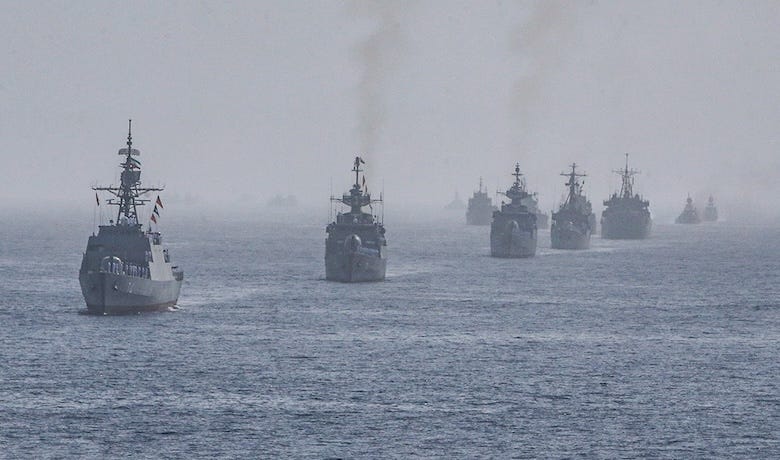
The U.S. naval blockade of Iran surprised many, but it reflects a deeper shift in energy, vulnerability, and global power.
If you’re following me but don’t yet receive these essays by email, you’re missing most of them. Substack doesn’t email articles to followers, only to subscribers. You can get every new essay free in your inbox by subscribing 👉:
For decades, the most dangerous threat in the Persian Gulf seemed obvious: Iran could close the Strait of Hormuz and cripple the global economy. Roughly one-fifth of global oil flows pass through this narrow chokepoint, and policymakers long assumed that any serious confrontation with Iran risked triggering exactly that outcome.
That assumption shaped strategy for over a generation. It implied that Iran held escalation dominance: that it could impose unacceptable costs on the global economy, and therefore deter direct action against itself. But that assumption was built on a world that no longer exists.
Despite this threat, the United States recently imposed a naval blockade on Iran, halting ships entering and leaving Iranian ports and cutting off roughly 2 million barrels per day of oil exports. Within days, U.S. naval forces were intercepting vessels, turning tankers around, and even seizing ships that attempted to run the blockade. In less than 36 hours, U.S. officials claimed that Iran’s seaborne trade had effectively been brought to a halt.
This is a striking reversal of expectations. Instead of fearing Iran’s ability to block oil flowing out of the Persian Gulf, the United States is now targeting Iran’s ability to sell oil at all. What appears at first glance to be a sudden escalation is better understood as part of a much older pattern.
This article will place the current US naval blockade of Iran in historical perspective, compare it to the most important naval blockades of the past, and explain how changes in the global energy system have altered their effects.
In earlier eras, blockades worked by cutting off food, trade, or industrial inputs, gradually weakening entire societies. Today, the key constraint is energy, but the global distribution of vulnerability has shifted. The United States is far less exposed to energy shocks than it once was, while countries like Iran and China are far more dependent on oil exports or imports.
The result is a fundamental change in how economic warfare works: for the first time in modern history, a disruption to global energy flows may strengthen the dominant naval power rather than weaken it.
If you enjoy this article, you should read my From Poverty to Progress book series.
The Logic of Naval Blockades
Naval blockades are among the oldest and most powerful tools of warfare, but their effectiveness does not come from dramatic battles at sea. Their power lies in something far less visible: the slow disruption of an enemy’s economic system.
At their core, blockades work by severing the flows that sustain a society. All complex economies depend on continuous movement of food, raw materials, finished goods, and, in the modern era, energy. A blockade interrupts those flows. It does not need to destroy production directly. Instead, it prevents inputs from arriving, outputs from being sold, and resources from circulating. Over time, this creates shortages, financial strain, and ultimately political and military weakness.
This dynamic is why blockades are often more decisive than battlefield victories. Armies and weapons are only as effective as the economic systems that support them. A country that cannot import critical goods, export its products, or finance its government will eventually lose its ability to sustain military operations, regardless of how its armies perform in the field.
The key to an effective blockade is identifying what might be called the “binding constraint” of an economy: the resource or flow that is most essential to keeping the system functioning. In pre-industrial societies, the binding constraint was often food. In early industrial economies, it was access to trade and raw materials. In modern economies, the binding constraint is increasingly energy. A successful blockade targets this constraint directly, amplifying its effects across the entire system.
Because of this, blockades are not static tools. Their impact depends on the structure of the economy they are targeting. As economies evolve, so do their vulnerabilities. To understand how the current blockade of Iran might unfold, we first need to examine how blockades have worked in the past, and what they reveal about the relationship between economic structure and military power.
Historical Cases: What Blockades Actually Do
The abstract logic of blockades becomes much clearer when we examine how they have worked in practice. Across different eras and technologies, the most successful blockades share a common feature: they target the central economic flows that sustain a society and degrade them over time. While the specific vulnerabilities differ( trade, food, or energy), the cumulative effect is the same: a gradual erosion of economic capacity that eventually translates into military and political weakness.
The Napoleonic Wars: Britain blockading France
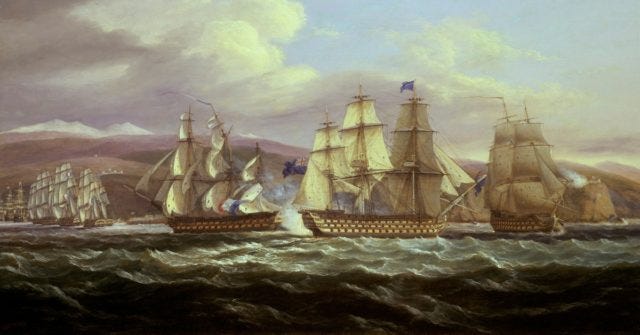
During the Napoleonic Wars, Britain used its naval dominance to impose a global trade blockade against France and its allies. British control of the seas allowed it to restrict European access to overseas markets, colonial goods, and shipping routes. In response, Napoleon implemented the Continental System, attempting to exclude British goods from European markets and create a self-sufficient continental economy.
In practice, Britain’s blockade proved far more effective. British exports fell initially but quickly recovered as trade was redirected to the Americas and other regions, while continental Europe experienced chronic shortages of key goods such as sugar, coffee, and manufactured imports. Smuggling became widespread, and enforcement of the Continental System was uneven at best. By some estimates, British trade volumes had largely recovered by the early 1810s, while French-controlled Europe suffered persistent economic disruption.
The binding constraint in this case was access to global trade networks. Britain’s ability to maintain maritime dominance meant that France could not fully replace lost trade flows. The economic strain did not immediately defeat Napoleon, but it weakened his alliances, reduced state revenues, and contributed to the long-term erosion of his war-fighting capacity.
The American Civil War: North blockading South
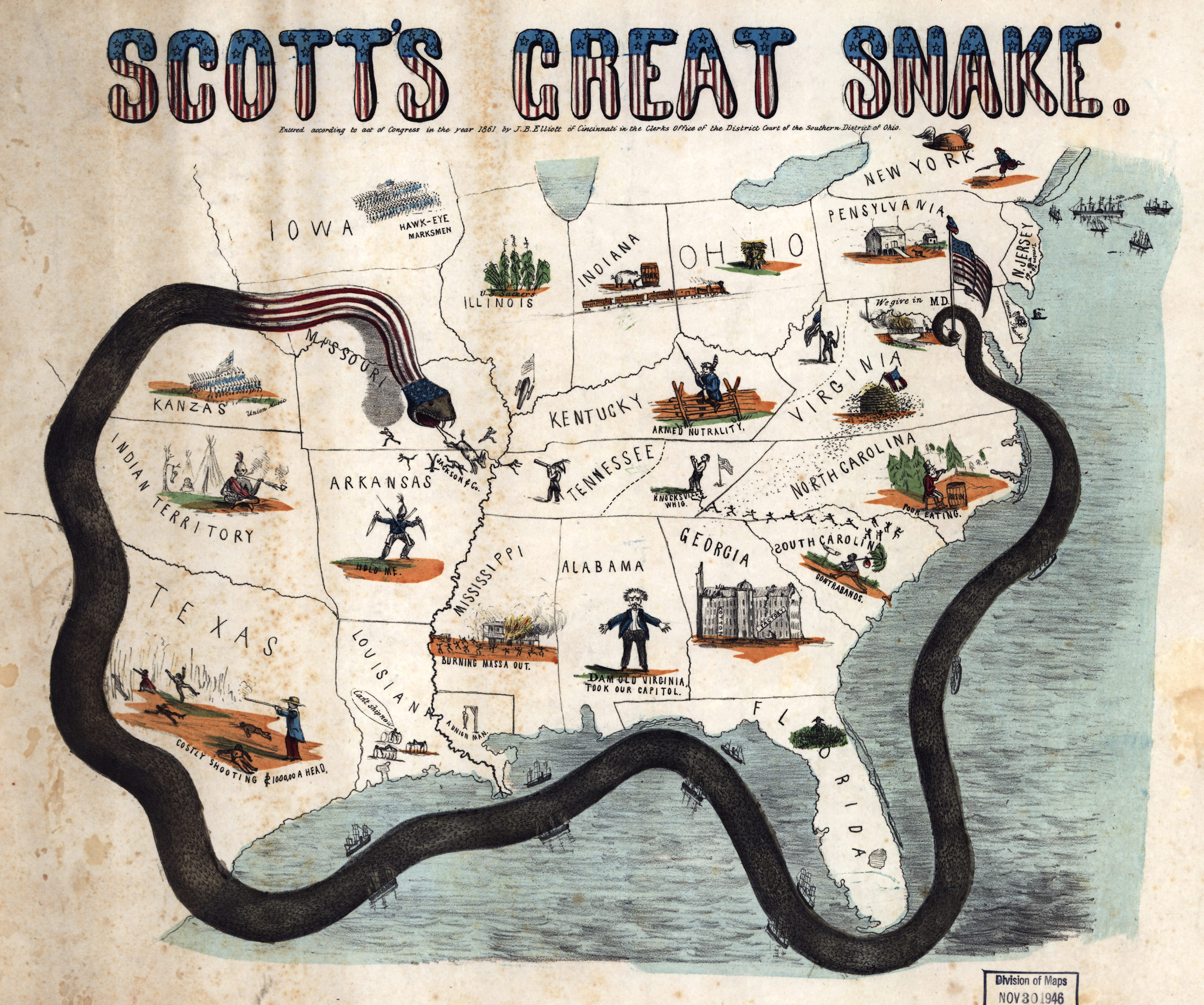
In the American Civil War, the Union implemented a comprehensive blockade of the Confederate coastline, often referred to as the Anaconda Plan. The Confederacy relied heavily on:
exporting cotton: its primary source of foreign exchange, and
importing manufactured goods, weapons, and industrial equipment.
The blockade targeted both sides of this system simultaneously.
The quantitative impact was severe. Confederate cotton exports fell by more than 90% over the course of the war. Blockade runners were able to get some goods through, but at high cost and insufficient scale. At the same time, imports of weapons, machinery, and basic goods declined sharply. The result was hyperinflation Prices in the Confederacy rose by more than 9,000% during the war, as well as widespread shortages of essential goods.
The binding constraint here was trade and foreign exchange. Without the ability to export cotton, the Confederacy could not finance imports or sustain its economy. Over time, this economic collapse translated directly into military weakness: poorly supplied armies, deteriorating infrastructure, and a shrinking capacity to continue the war.
World War I: Britain blockading Germany
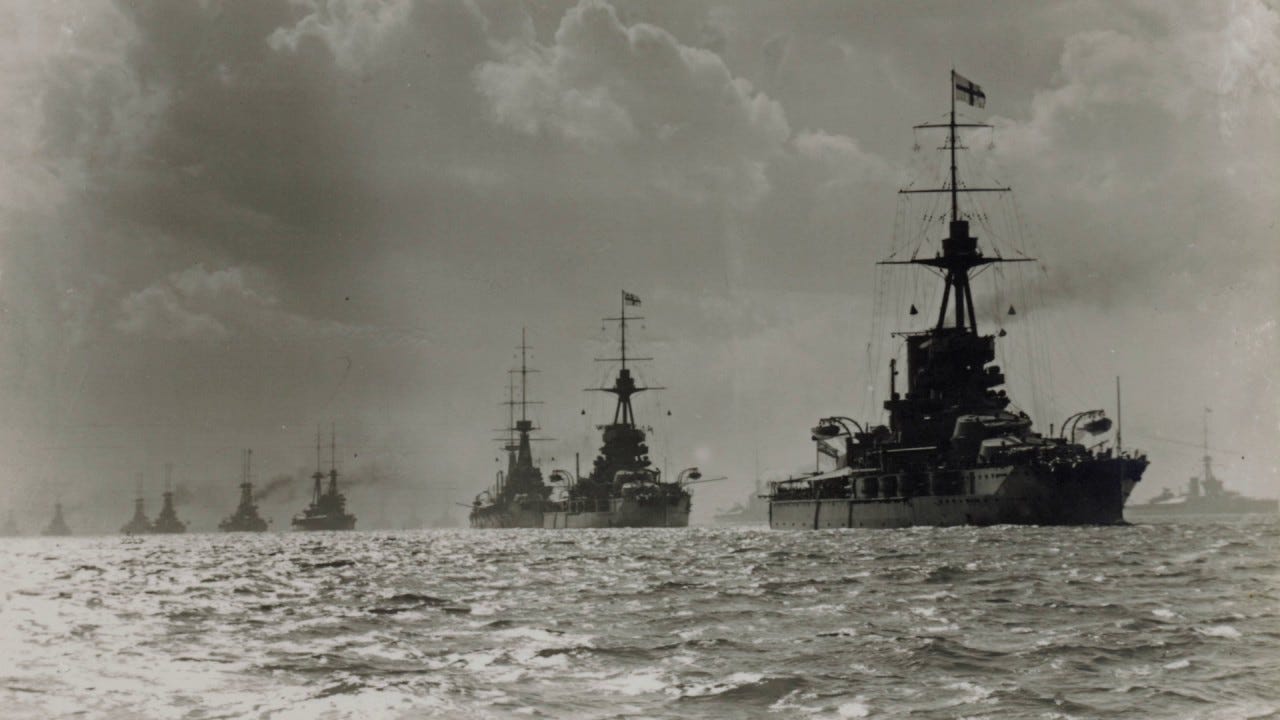
During World War I, Britain imposed a large-scale blockade on Germany, targeting both food supplies and critical industrial inputs such as nitrates, metals, and chemicals. Germany, while industrially advanced, depended heavily on imports for key components of both its civilian economy and military production.
The blockade’s effects accumulated over time. German caloric intake fell significantly, with average daily consumption dropping from around 3,400 calories pre-war to as low as 1,200–1,500 calories by 1917–1918. Civilian deaths attributable to starvation and disease are estimated in the range of 400,000 to 750,000. Industrial output also declined as shortages of raw materials constrained production.
At the same time, Germany attempted to impose a counter-blockade through unrestricted submarine warfare against Britain. German U-boats sank millions of tons of Allied shipping and came close to severing Britain’s supply lines in 1917. However, Britain adapted through convoy systems, anti-submarine warfare, and its global naval network.
The German effort imposed significant costs but ultimately failed to break Britain’s economic system. The U-boat campaign also played a key role in bringing the United States into the war, tipping the balance of power on the Western Front decisively in favor of the Allies.
The binding constraint in British blockde case was food and industrial inputs. The blockade did not cause immediate collapse, but it steadily degraded Germany’s economic and social stability. By the final year of the war, the combined effects of malnutrition, reduced industrial capacity, and internal unrest significantly weakened Germany’s ability to sustain its war effort.
World War II: US blockading Japan
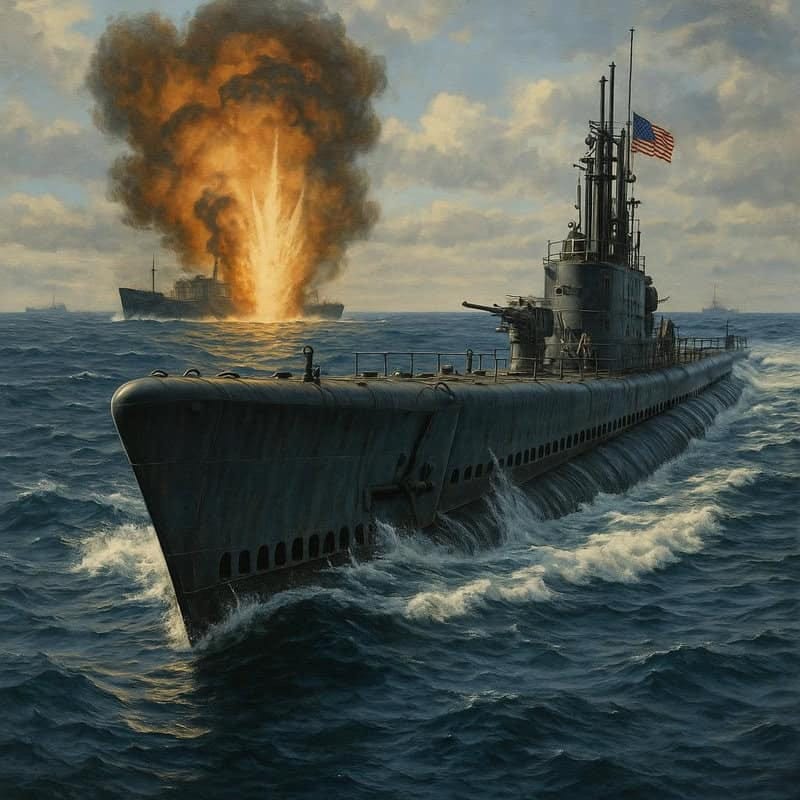
In World War II, the United States executed one of the most effective blockades in history against Japan, primarily through submarine warfare targeting merchant shipping. Japan was highly dependent on imports for oil, iron ore, and other raw materials, making it particularly vulnerable to disruption of maritime supply lines.
The quantitative impact was decisive. By 1945, Japan had lost approximately 90% of its merchant shipping fleet. Oil imports, which had been essential to both civilian industry and military operations, were reduced to near zero. As a result, fuel shortages became catastrophic: ships were immobilized, aircraft operations were curtailed, and industrial production collapsed. Some factories operated at a fraction of capacity due to lack of inputs.
Germany again attempted a counter-blockade against Britain during World War II through an expanded U-boat campaign. While sinking large volumes of shipping, the effort ultimately failed for similar reasons as in World War I: Allied industrial capacity, improved anti-submarine tactics, and control of key sea lanes prevented a systemic breakdown. And it also contributed to the United States entering the war.
The binding constraint in the US blockade of Japan was energy, particularly oil. Without access to fuel, Japan’s entire economic and military system became inoperable. Unlike earlier blockades, which acted gradually, this one directly targeted the core input of an industrial economy. The result was not just economic weakness, but systemic paralysis.
Some other important naval blockades in history include:
Blockade of Athens (Peloponnesian War, 431-404 BCE)
The Siege of Tyre (332 BCE) by Macedonia
The Spanish Armada Blockade of England (1588)
The Blockade of La Rochelle (1627-1628)
The Japanese Blockade of Port Arthur (1904-1905)
The Cuban Missile Crisis Naval Quarantine (1962)
A Key Pattern: Blockades Target the Binding Constraint
Across these historical cases, a consistent pattern emerges: the most effective blockades do not attempt to disrupt everything. Instead, they focus on the single constraint that most tightly limits the functioning of the targeted economy.
Every society operates within a set of constraints, limits on food, materials, energy, or trade, that determine how much it can produce and sustain. In normal conditions, these constraints are managed through markets, trade networks, and technological adaptation. But in wartime, they become points of vulnerability. A blockade works by identifying the most critical of these constraints, the “binding constraint”, and then intensifying it until the entire system begins to break down.
In pre-industrial societies, this constraint was often food. Agricultural output determined population size, urbanization, and military capacity. A blockade that restricted access to grain or fertilizer could quickly lead to famine and social collapse. This dynamic was visible in World War I, where Germany’s dependence on imported food and agricultural inputs became a decisive weakness.
With industrialization, the constraint shifted toward trade and raw materials. Industrial economies required a steady inflow of inputs, such as metals, chemicals, machinery, and a steady outflow of goods to sustain production and finance. The Union blockade of the Confederacy illustrates this transition clearly: by cutting off both exports (cotton) and imports (manufactured goods), it attacked the economic system at its most vulnerable point.
By the mid-20th century, the binding constraint had shifted again: this time to energy. Industrial economies became dependent on continuous flows of fossil fuels, particularly oil. Unlike many other inputs, energy is difficult to substitute and must be delivered in large, continuous quantities. The U.S. blockade of Japan in World War II was effective precisely because it targeted this constraint directly. Without oil, Japan’s industrial economy and military operations could not function.
This progression from food, to trade, to energy reflects a deeper relationship between economic development and vulnerability. As societies become more advanced, their dependence on specific, high-throughput systems increases. These systems enable higher levels of productivity and growth, but they also create concentrated points of failure.
The implication is straightforward but powerful:
The effectiveness of a blockade depends on how accurately it targets the dominant constraint of its time.
In earlier eras, that meant restricting grain shipments or trade routes. In the modern world, it increasingly means controlling the flow of energy. To understand the significance of the current blockade of Iran, we need to examine how energy functions as the central constraint in contemporary economies.
The Misunderstanding of Vulnerability
For decades, policymakers and analysts believed that the most dangerous energy vulnerability in the world was the potential loss of oil flowing to Western economies through the Strait of Hormuz. This assumption dominated strategic thinking from the late 1970s through the early 21st century.
That view was grounded in real conditions. Following the 1979 Iranian Revolution and the oil shocks of the 1970s, the United States and its allies were heavily dependent on imported oil from the Middle East. By the mid-2000s, the United States was importing roughly 60% of its oil consumption, much of it tied directly or indirectly to flows through the Persian Gulf. A disruption in Hormuz would have triggered immediate supply shortages, price spikes, and likely economic recession across Western economies.
Under those conditions, Iran’s perceived ability to close the Strait of Hormuz represented a powerful form of deterrence. It created a widely shared assumption: that any direct confrontation with Iran would impose unacceptable costs on the global economy, and especially on the United States. This belief shaped military planning, diplomatic strategy, and energy policy for a generation.
But this framework depended on a specific distribution of vulnerability: one in which Western economies were the primary consumers of Middle Eastern oil and therefore the most exposed to supply disruptions.
Japan vs. Iran: Two Types of Energy Vulnerability
The role of energy as the central constraint in modern economies is best understood by comparing two very different cases: Japan during World War II and Iran today. Both are highly dependent on oil. Both are vulnerable to disruption. But the nature of that vulnerability and the speed at which it operates are fundamentally different.
Japan was and still is an energy importer. Before and during World War II, it produced only a small fraction of the oil it consumed and relied heavily on imports from the United States and Southeast Asia. When those supplies were cut off, first by embargo, then by blockade, Japan faced an immediate physical constraint. Without oil, ships could not sail, aircraft could not fly, and factories could not operate. The entire industrial and military system gradually ground to a halt.
Iran represents the mirror image. It is not dependent on imported energy; it is dependent on exporting it. Oil and gas account for the majority of its export earnings and a large share of government revenue. When a blockade prevents Iran from selling oil, the constraint is not physical but financial. The oil still exists, and production can continue temporarily, but the state loses the ability to generate foreign currency, finance imports, and sustain its budget.
This distinction between input shocks and output shocks is critical. Japan’s vulnerability emerged because it could not obtain the energy it needed to function. Iran’s vulnerability emerges because it cannot monetize the energy it already has. In both cases, oil is the binding constraint. But the mechanism of failure is different.
The difference also affects the timeline. Japan entered the war with stockpiles that allowed it to operate for months or even years before the full effects of the blockade were felt. Iran has far less ability to buffer the loss of exports. Storage capacity is limited, and oil that cannot be sold quickly accumulates. Within weeks to months, production must be reduced, and government revenues collapse.
The result is a potentially faster-acting form of economic pressure. Japan’s system failed as fuel ran out. Iran’s system may fail as revenue disappears. One is a gradual physical exhaustion; the other is a rapid fiscal compression.
This distinction helps explain why the current blockade may have effects that differ from historical precedents, not because energy is unimportant, but because the way energy constrains the system has changed.
The Shale Revolution Changes Everything
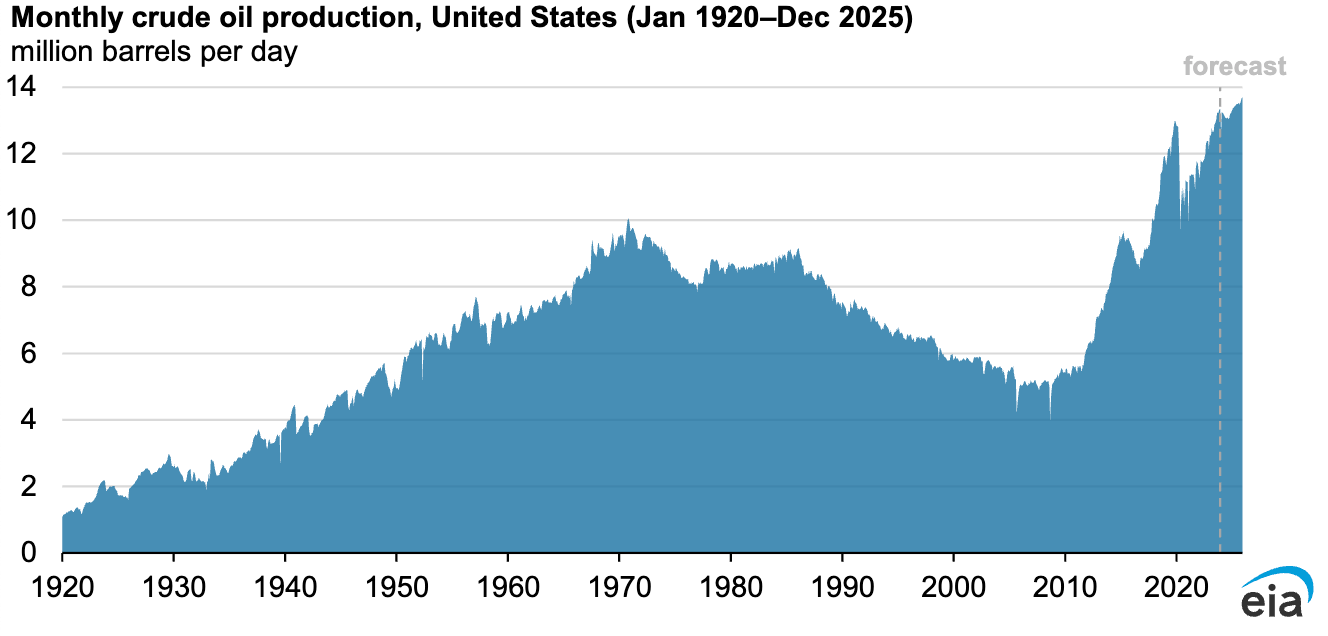
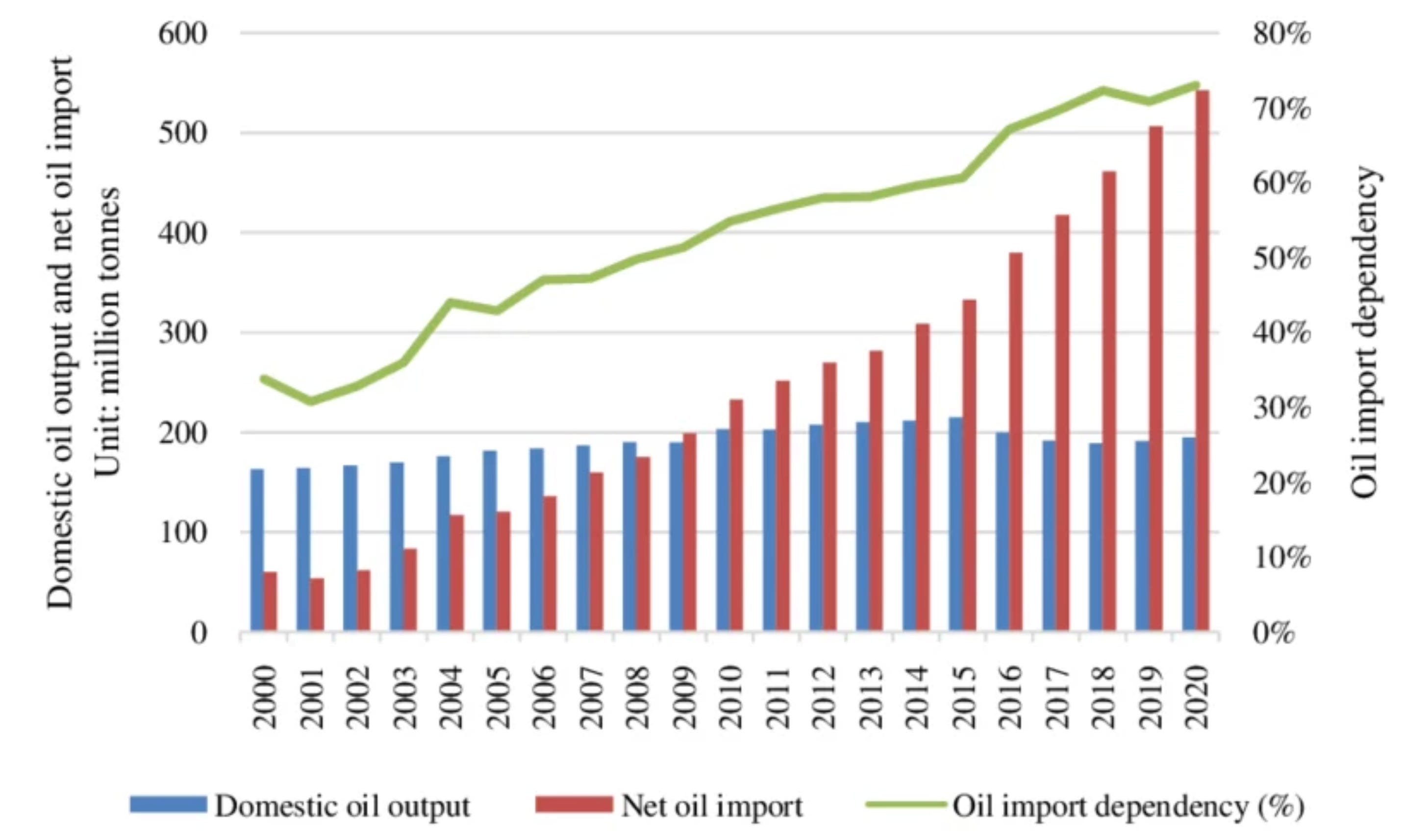
Behind this assumption was a trend. From the 19th century to about 1970, the United States was one of the dominant oil producers and exporters in the world. Around 1970, oil production started to decline steadily while oil consumption kept increasing. The result was increasing dependence on imported oil.
The assumption that the US economy the most vulnerable to energy disruption did not disappear because it was wrong. It disappeared because the underlying conditions changed. The most important of those changes was the transformation of the United States from the world’s largest oil importer into one of its largest producers.
Beginning in the late 2000s, advances in hydraulic fracturing and horizontal drilling unlocked vast reserves of oil and natural gas in the United States. Over the following decade, U.S. oil production more than doubled, rising from roughly 5 million barrels per day in 2008 to over 12 million barrels per day by the early 2020s. At the same time, net imports declined sharply, and by around 2019 the United States had become a net exporter of energy.
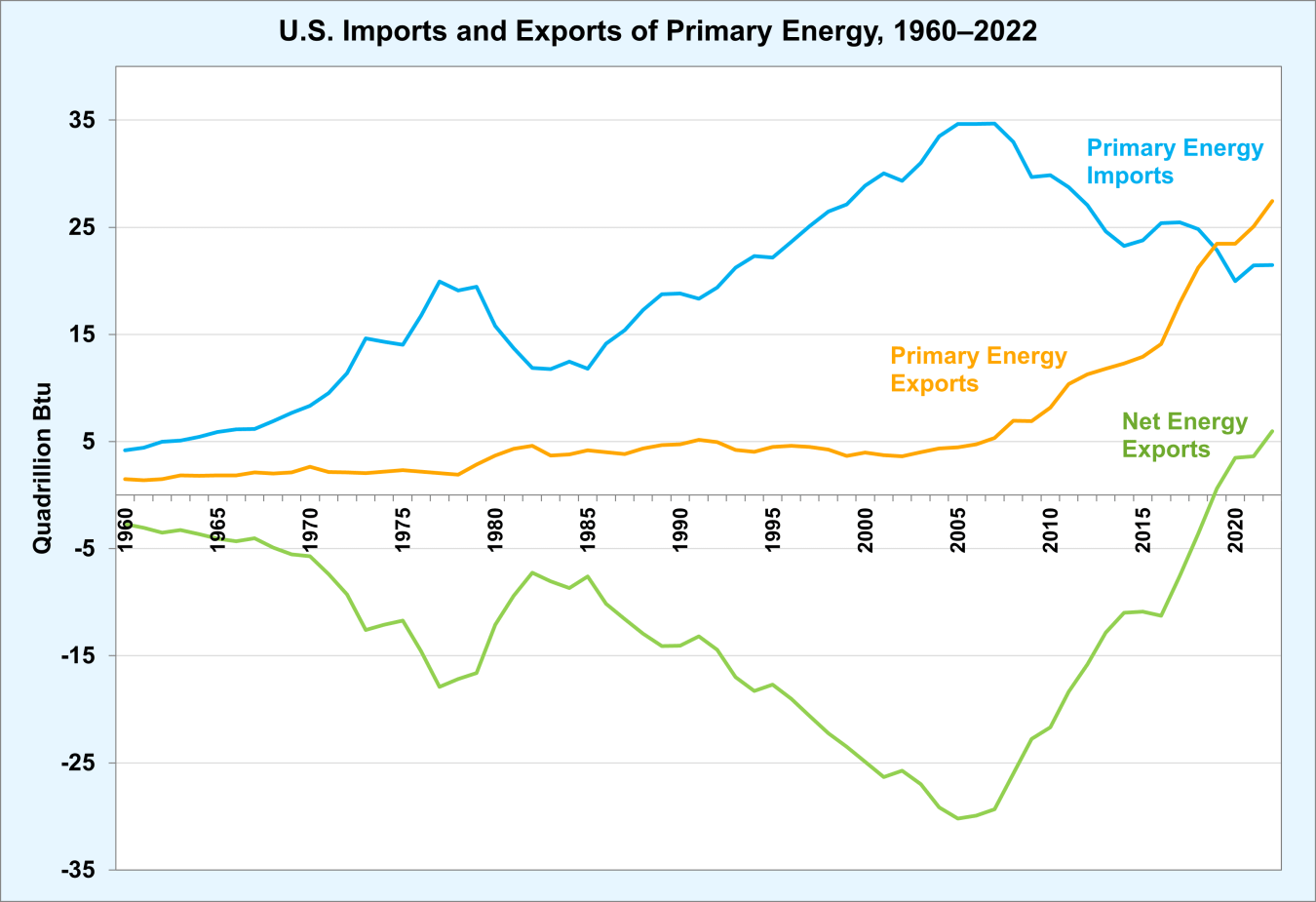
This shift had profound economic consequences. In the earlier period, rising oil prices acted as a drag on the U.S. economy, raising costs for consumers, increasing inflation, and constraining growth. After the shale revolution, higher prices produced a more mixed effect. While consumers still faced higher fuel costs, the domestic energy sector expanded, investment increased, and production responded more quickly to price signals. The United States did not become immune to global energy shocks, but it became significantly less vulnerable to them.
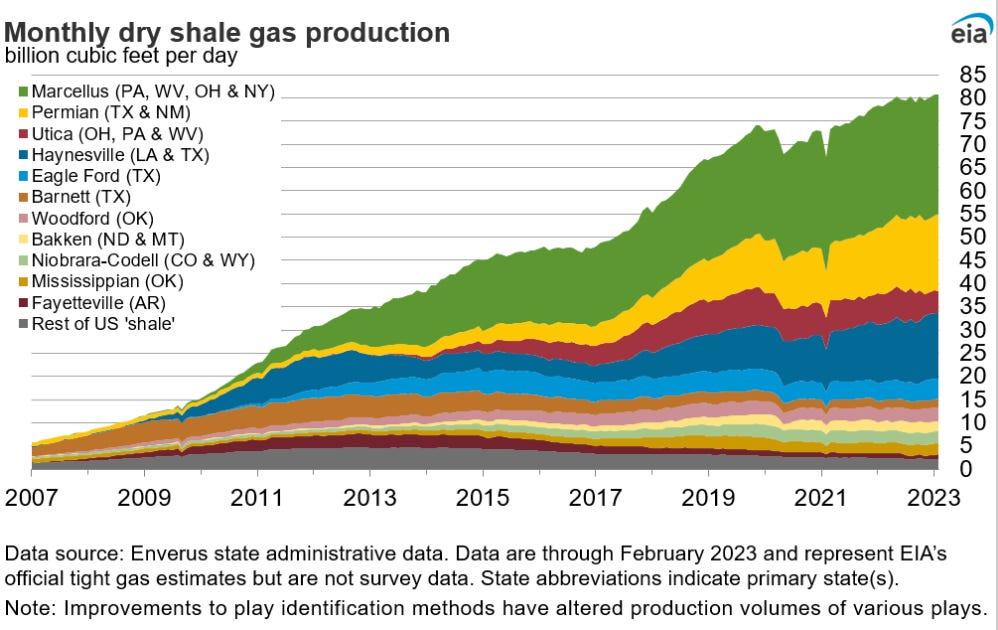
Natural gas production from shale also increased dramatically.
Just as important, this shift altered the strategic constraints facing policymakers. In the past, any disruption in Middle Eastern oil supplies risked triggering a domestic economic crisis in the United States. This created a strong incentive to avoid actions that might destabilize the region. Today, that constraint is weaker. The United States retains exposure to global prices, but it is no longer directly dependent on the physical flow of oil from the Persian Gulf in the same way.

The result is a fundamental change in the relationship between naval power and economic vulnerability. For much of the 20th century, the United States possessed overwhelming naval dominance but was constrained by its dependence on imported energy. That dependence limited its ability to use tools like blockades without imposing significant costs on itself. In the current environment, that constraint has been reduced.
This does not mean that energy disruptions are costless. Oil remains a globally traded commodity, and price increases affect all economies to some degree. But the distribution of those costs has shifted. The United States now absorbs a smaller share of the downside risk, while other countries, particularly those that rely heavily on imported oil, bear a larger share.
This shift in relative vulnerability is central to understanding the current blockade of Iran. It helps explain why a policy that would have been considered too risky in an earlier era is now feasible. More importantly, it sets the stage for a broader reversal: disruptions in global energy flows may no longer constrain the dominant naval power, but instead may impose greater costs on its rivals.
China and the New Energy Dependency
If the shale revolution reduced American vulnerability, it simultaneously revealed where that vulnerability had shifted. Over the past two decades, the center of global oil demand has moved decisively toward Asia, and above all toward China.
China is now the world’s largest oil importer, and its dependence on foreign energy is structural. Roughly 40–50% of Chinese crude oil imports come from the Middle East, with the majority transported by sea through long and exposed maritime routes. These flows pass through multiple chokepoints, including the Strait of Hormuz and the Strait of Malacca, creating a supply chain that is both geographically concentrated and strategically vulnerable.


Within this system, Iran has become an increasingly important supplier. As Western sanctions reduced Iran’s access to global markets, China stepped in as its primary buyer. In recent years, China has accounted for roughly 80–90% of Iran’s oil exports, importing on the order of 1.3–1.4 million barrels per day. This relationship has been reinforced by long-term agreements and a broader strategic partnership between the two countries.
Sanctions did not eliminate Iran’s oil exports; they reshaped them. By limiting Iran’s customer base, they effectively concentrated its exports into a single channel. At the same time, they created an opportunity for China. Iranian crude has typically been sold at a discount, often $6 to $10 per barrel below global benchmarks, making it especially attractive to Chinese refiners. Independent “teapot” refineries in China, in particular, became major buyers, using complex shipping networks and “shadow fleet” tankers to bypass sanctions.
The result was a mutually reinforcing relationship. Iran gained a reliable buyer willing to operate outside Western financial systems, allowing it to sustain tens of billions of dollars in annual revenue despite sanctions. China, in turn, secured a steady supply of discounted oil that helped support its industrial economy and moderate its import costs.
But this arrangement also created a new form of vulnerability. By concentrating so much of Iran’s export capacity into a single market, and by relying on maritime transport routes that are visible and controllable, both countries became exposed to disruption. When the United States imposes a naval blockade on Iran, it is not only targeting Iran’s ability to export oil. It is also targeting a key component of China’s energy supply.
This is the critical shift. In the earlier era, a disruption in the Persian Gulf primarily threatened Western economies. Today, it places disproportionate pressure on Asia, and especially on China, which must continue to import large volumes of oil to sustain its growth.
The implications are not limited to physical supply. Even when alternative sources are available, disruptions raise global prices. For a large importing economy like China, this functions as a broad-based tax raising costs across manufacturing, transportation, and industry. What was once a shared vulnerability has become asymmetrical.
The relationship between Iran and China illustrates this new structure clearly. Iran depends on China to buy its oil. China depends on global markets and stable maritime flows to supply its economy. A blockade disrupts both sides of that relationship simultaneously, but the broader economic impact extends far beyond either country.
Energy as a Geopolitical Weapon
The use of energy as a tool of geopolitical competition is not new. What has changed is the mechanism through which it is applied, and the distribution of its effects.
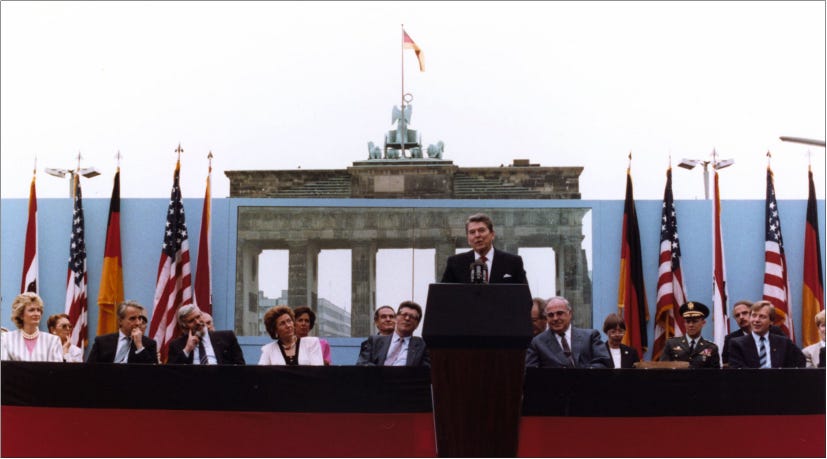
In the mid-1980s, under Ronald Reagan, the United States and its allies took advantage of a shift in global oil markets that had far-reaching geopolitical consequences. Saudi Arabia sharply increased production, reversing earlier efforts to support high prices. The result was a collapse in global oil prices from roughly $30 per barrel in the early 1980s to near $10 by 1986.
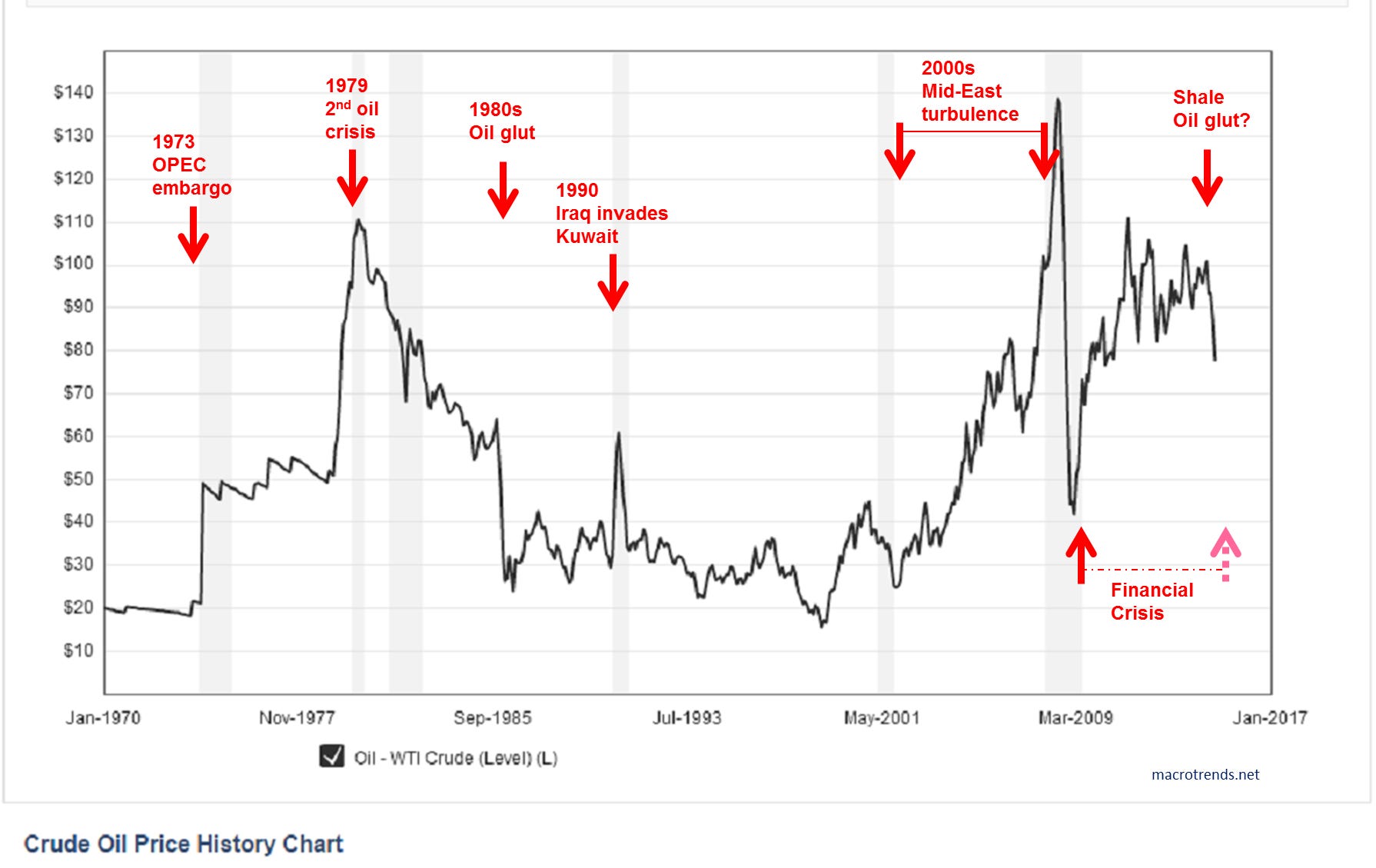
This price collapse had two major effects. First, it provided a significant boost to the U.S. economy, lowering energy costs, reducing inflationary pressure, and supporting growth. Second, it directly undermined the financial position of the Soviet Union, which depended heavily on oil exports for hard currency. As prices fell, Soviet export revenues declined sharply, exacerbating fiscal stress and contributing to the broader economic stagnation that preceded its collapse. This decline was a catalyst for the economic collapse of the Soviet Union in the mid/late 1980s.
The key point is not whether this outcome was fully coordinated or partially coincidental. It is that energy markets functioned as a transmission mechanism for geopolitical pressure. The United States did not confront the Soviet Union directly; instead, it benefited from a shift in the price of the resource that underpinned Soviet state capacity.
There are two primary ways to use energy as a geopolitical weapon. The first is through price. By increasing supply, major producers can drive prices down, reducing the revenues of exporting states. This was the mechanism at work in the 1980s. The second is through volume. By restricting the ability of a country to export or import energy, it is possible to cut off revenue or supply entirely.
The current blockade of Iran operates through this second mechanism. Instead of allowing oil to reach the market at lower prices, it seeks to prevent that oil from reaching the market at all. The distinction is critical. In the 1980s, the Soviet Union continued to export oil, but at sharply reduced prices. In the present case, Iran’s exports may be reduced to near zero, regardless of global prices.
This represents a more direct and potentially faster-acting form of economic pressure. A price collapse reduces revenue gradually and indirectly, depending on market conditions. A volume collapse eliminates revenue immediately. The difference is the difference between compression and cutoff.
At the same time, the broader structure of the global economy has shifted. In the 1980s, lower oil prices benefited the United States and its allies while harming a major geopolitical rival. Today, disruptions to energy flows, whether through blockades or other means, tend to impose disproportionate costs on large importing economies, particularly in Asia.
The underlying principle is the same across both cases. Control over energy, whether through price or physical flow, provides a means of shaping the economic foundations of rival states. What has changed is the direction of the effect. In the earlier period, the United States benefited from lower prices. In the current environment, it benefits, in relative terms, from disruptions that raise prices and constrain supply.
Why Losing Oil Revenue Is More Damaging Than Closing Hormuz
At first glance, closing the Strait of Hormuz appears to be the more powerful weapon. It threatens a large share of global oil supply, raises prices, and creates immediate disruption across the global economy. For decades, this scenario was treated as the ultimate escalation risk.
But from Iran’s perspective, the loss of its own oil export revenues is far more damaging.
The reason is structural. Oil is not just one sector of Iran’s economy. Oil is the financial foundation of the Iranian state. Oil and gas exports account for roughly 80–90% of export earnings and between 50–60% of government revenue in many periods . Even in more recent, partially diversified conditions, oil revenues still represent over one-quarter of the government budget . In absolute terms, Iran earned roughly $50+ billion annually from oil exports, equivalent to about 10–11% of GDP .
This makes oil exports the central mechanism through which the Iranian regime maintains power. When exports are blocked, this revenue does not decline gradually; it collapses. The result is an immediate fiscal crisis that forces difficult tradeoffs: cut spending, print money, or draw down limited reserves. All of trade-offs carry significant political and economic costs.
This is fundamentally different.
A naval blockade that cuts off oil exports threatens the Iranian regime at a far deeper level than the preceding air campaign. Airstrikes can degrade military capabilities, damage infrastructure, and impose costs, but they do not directly sever the financial flows that sustain the state. A blockade does. It targets the regime’s ability to function on a day-to-day basis: its capacity to pay its security forces, maintain internal stability, and finance continued resistance.
This suggests that the blockade was not simply a reactive escalation following the collapse of negotiations (as portrayed by the media). It is more plausibly understood as part of a pre-arranged military strategy.
Launch an overwhelming air campaign to destroy:
Iranian air defense
Iranian political leadership
IRGC command and control
Iranian air force Iranian navy
Nuclear facilities
Ballistic missile launchers
Factories that produce ballistic missiles, naval mines, and drones.
(but significantly) Do not target the Artesh, the Iranian Army.
If that fails to produce regime collapse or a negotiated settlement, move to direct economic strangulation via naval blockade.
The naval blockade has the huge advantage of shifting the main front of the war from the Iranian land mass to the open oceans, where the military disparity between the United States and Iran is enormous. Just as importantly, the US Navy can pursue an almost non-violent naval blockade while putting far more pressure on the Iranian regime than a land war.

Within that framework, the possibility of Iran closing the Strait of Hormuz would not be an unforeseen escalation, but an anticipated response. A blockade neutralizes that threat by shifting the focus from global supply disruption to Iran’s own vulnerability. Instead of allowing Iran to impose costs on the global system, it imposes concentrated costs on Iran itself.
How the Blockade Shifts the Long Game
Without a naval blockade, Iran’s strategic position is far more durable than it appears in the short term. Air campaigns, even when tactically successful, rarely produce decisive outcomes against resilient states. Infrastructure can be repaired, military assets can be replaced, and regimes can endure prolonged periods of pressure. As long as oil exports continue, Iran retains the ability to finance reconstruction, stabilize its economy, and rebuild its military capacity over time.
This dynamic has been visible repeatedly. Even under heavy sanctions and periodic military pressure, Iran has continued to generate tens of billions of dollars annually from oil exports, around $50 billion in recent years, providing the financial base necessary to sustain the state and recover from shocks. Even during the first six weeks of the war, oil export revenues actually increased and was supplemented by “tolls” on civilian shipping in the Straits of Hormuz.
Absent a blockade, the likely trajectory of the war is clear: Iran absorbs damage, waits out the conflict, and rebuilds. In the first six weeks of the war, time was on Iran’s side.
The naval blockade fundamentally changes this dynamic. Time is now on the side of the United States. Naval blockade is the true threat to regime change.
By cutting off oil exports, it removes the regime’s primary source of funding. This does not simply weaken Iran in the short term: it prevents recovery in the long term. Without export revenues, Iran cannot easily finance reconstruction, import critical goods, or sustain large-scale state spending. The economic base required to rebuild after the war is no longer available.
This transforms the conflict from a contest of endurance into a contest of solvency. Instead of asking whether Iran can survive the immediate military pressure, the relevant question becomes whether it can maintain a functioning state over time without its primary revenue source. That is a much more difficult challenge.
More importantly, the blockade represents the first phase of the conflict that directly threatens regime survival. Airstrikes can degrade capabilities and impose costs, but they rarely collapse governments on their own. A sustained loss of revenue is different. It affects the regime’s ability to pay its security forces, maintain patronage networks, and preserve internal cohesion. These are the mechanisms through which regimes endure. When they are weakened, the risk of internal instability rises sharply.
The blockade also introduces a compounding effect. As revenues collapse, the government must reduce spending, draw down reserves, or increase monetary expansion. Each of these responses carries costs: whether in the form of weakened security forces, rising inflation, or declining public confidence. Over time, these pressures accumulate, making recovery increasingly difficult even if the external pressure is later reduced.
Unlike air campaigns, a naval blockade is also comparatively bloodless and largely removed from continuous media scrutiny. It does not produce the same immediate images of destruction or civilian casualties, even as its economic effects deepen over time. This makes it politically easier to sustain, especially in democratic societies where public support can be sensitive to visible costs. At the same time, its impact is more systemic: rather than destroying assets directly, it erodes the underlying capacity to sustain the state.
In this sense, the blockade shifts the long game decisively. It removes Iran’s ability to wait out the conflict and rebuild afterward, while simultaneously increasing internal pressure on the regime itself. Time is no longer an asset. It becomes a source of accumulating risk.
This is the deeper strategic logic of the blockade. It is not simply a tool for imposing pressure in the present: it is a mechanism that targets the foundations of regime stability and shapes the outcome over time.
The Time Horizon of Blockade
Naval blockades are rarely decisive in the short term. Their effects accumulate over time, working through economic systems rather than producing immediate military outcomes. Historically, even the most effective blockades required sustained enforcement before they translated into political or regime-level consequences.
In World War I, the Allied blockade of Germany took multiple years to produce widespread malnutrition and internal unrest. By 1918, these pressures contributed directly to the German Revolution of 1918–1919, in which military mutinies, mass protests, and political breakdown forced the regime from power. In World War II, the U.S. submarine campaign against Japan followed a similar pattern, with the most severe economic effects emerging only in the later stages of the war as shortages became systemic.
The timeline in Iran’s case is likely to be shorter, but still measured in stages rather than moments.
The initial impact via loss of export revenue is immediate.
Within weeks to months, storage constraints force reductions in production.
Over a longer horizon, months to a year, the fiscal consequences begin to translate into broader economic contraction, inflation, and pressure on state finances.
The critical phase comes after that. Regime stability depends not just on economic output, but on the ability to maintain internal cohesion: paying security forces, sustaining patronage networks, and managing public expectations. As these systems weaken, the risk of internal fracture increases. Economic stress can translate into protests, elite fragmentation, or loss of confidence within the ruling coalition.
In extreme cases, this pressure can extend to the military itself. If the regime can no longer reliably fund or support its security forces, the likelihood of defections, non-compliance, or internal divisions rises. The German case in 1918 illustrates this dynamic clearly: naval mutinies and broader military disaffection were decisive in triggering regime collapse.
This creates a characteristic pattern: blockades often appear slow and indecisive at first, then increasingly constraining, and finally destabilizing. The exact timing is uncertain and depends on internal conditions, but the direction is consistent. The longer a comprehensive blockade is maintained, the more it shifts from an economic tool into a political one.
I do not think that it is a coincidence that the US air campaign almost completely ignored the Iranian Army, and focused on the IRGC. This is likely to give the Iranian Army, which is far less politicized than the IRGC, the means and the incentive to stage of coup overthrowing the regime.
For this reason, the effectiveness of the current blockade should not be judged by immediate outcomes. Its significance lies in the trajectory it creates. If sustained and enforced, it places Iran on a path where economic pressure compounds over time, increasing the likelihood that financial strain translates into political instability, and potentially into regime change.
Commenting Rules
I do not want the comments to fill up with arguments for/against the war, Israel, or Trump, so I will be pretty ruthless about deleting comments that are not directly related to naval blockades.
If you’ve been enjoying these essays but only follow me here, you’re not getting them by email. Followers see Notes; subscribers receive every new piece on the history and future of progress.
Subscribe free here 👉:
If you enjoyed this article, you should read my From Poverty to Progress book series.
In my view, blockades have two key characteristics:
1/ They are part of a strategy of attrition. Their effects take some time to become apparent.
2/ Because their direct and indirect effects impact other parties, they often tend to escalate and broaden the conflict.
So the problem for the Iranian regime is not so much that it can no longer sell its oil, but that it will soon lack the financial means to purchase and import everything the country needs to function. Iran is actually highly dependent on food importations (rice, corn, vegetables oils, etc). In fact, the first ship detained by the U.S. was not a tanker but a container ship delivering goods to Iran (and potentially weapons and/or components for military use). So, added to the current shortage of foreign goods due to years of sanctions, blockade could have very short terms effects on Iranian economy.
But in the meantime, all Iran oil buyers (including China but also US close allies like Australia) will suffer and will soon press the US more and more insistently to find a solution. It seems that China might soon send its own navy to escort its ships out of Hormuz. If so, the situation might become highly volatile to say the least.
Beside, the United States has indeed become a net exporter of oil. But the problem is that not all oil is the same. American “shale” oil is very light, rich in naphtha and gasoline. On the other hand, it is relatively low in heavier, highly useful molecules, such as kerosene and diesel. As a result, the US are not as fully independent from global markets as one can think. And still need to import vast quantity of heavier oil to fuel their industrial, agricultural, and transportation sectors (which is why, among other reasons, it was important to take control of Venezuela).
However, I fully agree with you that the U.S. strategy might be far more sophisticated and less haphazardly improvised than the average mainstream media like to blabber on.
If a blockaded nation choses to decisively defeat its enemy in war then it becomes meaningless. This was demonstrated as France blockaded Prussia but as it lost and the emperor was captured the blockade was meaningless in most part.